Human growth hormone (HGH) is a peptide hormone secreted by the pituitary gland that stimulates growth, cell reproduction, and regeneration. As a prescription medication, HGH treats growth problems in children and growth hormone deficiency in adults.
However, HGH has also gained popularity as an anti-aging therapy and performance enhancer, leading to high demand and limited supply. This results in extremely high costs, making HGH treatment unaffordable for many patients.
This article examines the factors contributing to the steep pricing of HGH products. It provides an overview of HGH and then delves into the costs of manufacturing, regulatory, marketing, and healthcare systems that drive the prices. The role of patents, international price disparities, and access issues are also explored.
Finally, potential solutions such as biosimilars, generics, and regulatory changes are proposed to improve the affordability and accessibility of HGH therapy.
Understanding Human Growth Hormone
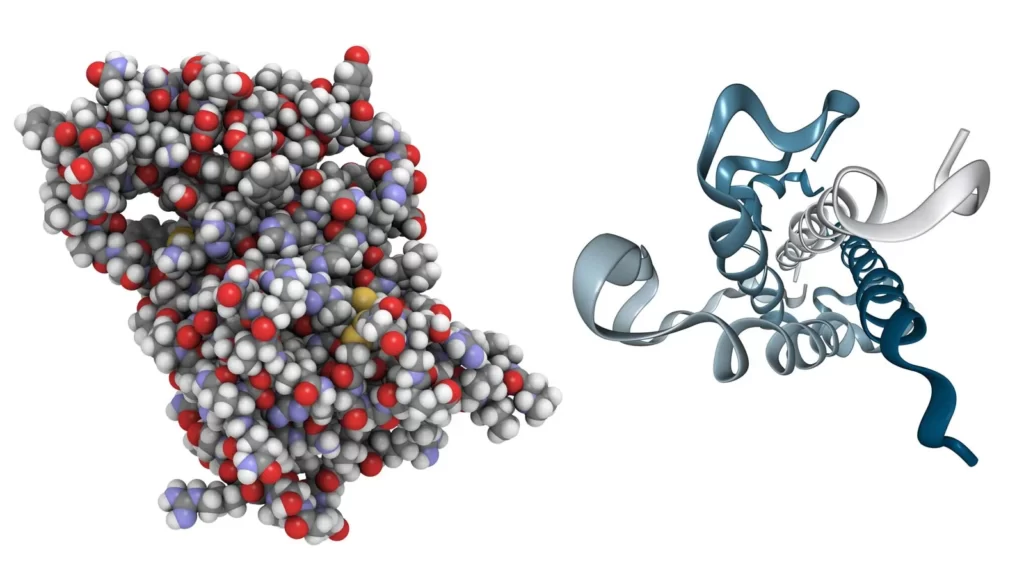
The anterior pituitary gland produces human growth hormone (HGH), and is crucial in stimulating tissue growth, muscle mass, bone density, and metabolism. As a prescription medication, synthetic HGH is bioidentical to the natural hormone and used for:
- Treating growth disorders in children – HGH injections can help increase height in kids with growth hormone deficiency or short stature.
- Adult hormone deficiency – HGH replacement therapy is used to improve the symptoms of adult-onset GHD caused by a pituitary tumor or injury.
- Anti-aging and athletic performance – HGH gained popularity due to its ability to increase lean muscle mass, decrease body fat, and enhance exercise capacity.
While HGH has demonstrated benefits for muscle development and weight loss, its anti-aging effects are still under debate. The potential risks and long-term safety of taking HGH have yet to be fully discovered.
Factors Driving Up the Cost of HGH
There are many reasons why both pharmaceutical and recombinant HGH command such high prices, especially in the United States.
Manufacturing and Production
- Producing HGH using biotechnology and recombinant DNA methods is complex and costly. Highly specialized facilities and equipment are required. HGH production through recombinant DNA technology involves inserting the human growth hormone gene into bacteria or yeast cells, which then synthesize the hormone in large quantities. The process includes careful cultivation, purification to remove bacterial contaminants, and rigorous quality control testing.
- Ensuring product quality control, sterility, purity, and potency adds to production expenses. Each batch undergoes extensive testing.
- Total manufacturing costs per gram of HGH can range from $100 to $1,000.
According to [Best HGH Doctor, 2024] the recombinant DNA production of HGH requires the human growth hormone gene to be inserted into plasmids of Escherichia coli bacteria, allowing fermentation to synthesize polypeptide chains of 192 amino acids. These chains must then be modified by removing the N-terminal amino acid methionine to obtain the final 191 amino acid chain, and the somatropin must be purified and lyophilized to increase effectiveness and preserve it during shipping and storage.
Regulatory Approvals and Clinical Trials
- Gaining FDA approval requires significant investments in clinical trials to prove safety and efficacy. The cost to develop each new drug is estimated at $2.6 billion according to the [Tufts Center for the Study of Drug Development, 2023].
- Clinical trials, research, and drug discovery necessary for regulatory approval are costly for pharmaceutical companies. Phase III trials alone, which are the most expensive stage, can average $350 million but may exceed $1 billion for certain drugs.
- Approval can take 10-15 years from early discovery to market launch.
Marketing, Distribution, and Pricing Strategies
As brand name drugs, HGH medication is heavily marketed directly to consumers and physicians. Companies spend billions on advertising, marketing, and salesforce.
Complex distribution networks, pharmacy dispensing fees, and company sales forces also add hidden costs.
Pharma can set high launch prices for new HGH brands based on perceived value and willingness/ability of insurers and patients to pay. As biologics, HGH cannot be automatically substituted with generics at the pharmacy like other drugs.
The Role of Insurance Coverage

Due to the high cost, insurance coverage determines accessibility and who can afford HGH. Most insurance plans will not cover HGH prescribed for anti-aging or athletic use.
- Medical reasons like growth deficiencies in children are more likely to be reimbursed by insurance after diagnosis confirmation.
- For adults diagnosed with GHD, coverage beyond the initial years may require reconfirmation of the hormone deficiency through stimulation testing and IGF-1 measurements.
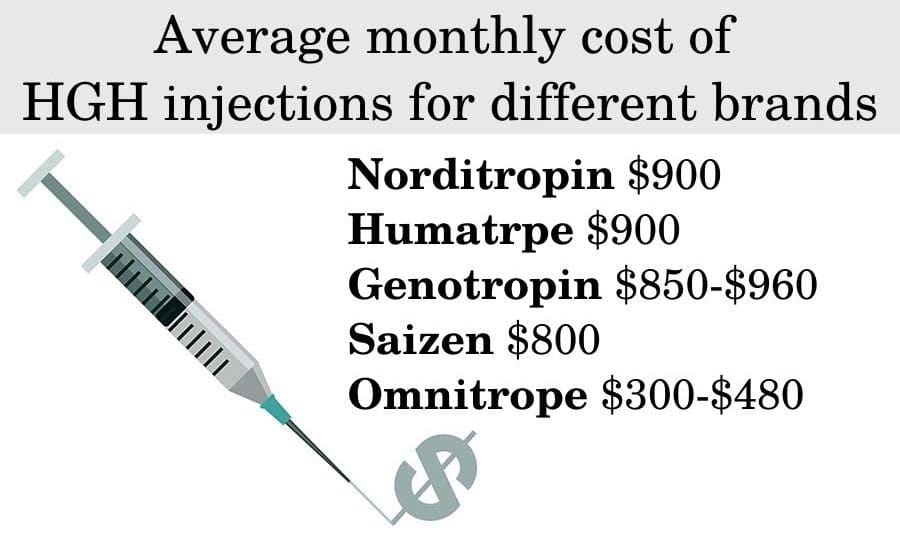
- Out-of-pocket costs for uninsured patients can reach $500 to over $1,500 monthly for HGH treatment.
- Even with coverage, copays for HGH injections or pens can still be expensive for patients.
According to [Journal of Managed Care Pharmacy, 2021], in a study of pediatric growth hormone deficiency patients with Medicaid or commercial health insurance, adherence was low with only 18.4% of Medicaid patients and 32.3% of commercial patients maintaining coverage of 80% or more of prescription days. The high out-of-pocket costs and insurance barriers contributed to treatment discontinuation and poor outcomes, with 49.1% of treated Medicaid patients and 24.3% of commercial patients discontinuing treatment before age 13.
Patent Protections
Patents grant market exclusivity and prevent competition from lower-cost generics. Major HGH brands have held patent protections:
- Pfizer’s Genotropin – Several patents on Genotropin (somatropin rDNA origin) held market exclusivity until 2014.
- Novo Nordisk’s Norditropin – Basic patents on Norditropin (somatropin rDNA origin) expired in 2014, though device patents on the FlexPro delivery system remain active through 2026-2032 according to [Pharsight, 2025].
- Eli Lilly’s Humatrope – Humatrope (somatropin rDNA origin) held patents extending through the early 2020s, with newer patents estimated through 2034-2037.
Generic HGH versions are not yet available in the U.S. except in limited circumstances. Once core patents fully expire, biosimilar alternatives are expected to reduce cost substantially. According to [Pacific Research Institute, 2025], biosimilars typically reduce prices by 50-60% compared to branded drugs, which is lower than the 95% reductions seen with traditional generic drugs, but still represents meaningful savings.
International Price Disparities
- The prices pharmaceutical companies charge for HGH vary enormously around the world.
- In the U.S., Humatrope costs around $2,000 for 9mg. The same 9mg dose may cost $1,000 in Canada but only $150 in France.
- Due to negotiating power and price controls, national health systems in other countries pay much less. In Europe, governments directly negotiate prices with manufacturers, resulting in significant discounts compared to U.S. pricing.
- Importing or purchasing HGH from overseas pharmacies in Mexico or Canada can lower costs for U.S. patients. However, legal risks exist.
Impact on Patient Access and Affordability
The high cost of HGH severely limits patient access and affordability, especially for the uninsured. It negatively impacts treatment adherence and health outcomes.
- Financial toxicities – Patients face difficult trade-offs – buying HGH vs other essentials. Cost puts treatment out of reach for many.
- Non-compliance – Patients may split or skip doses due to the high cost. It reduces effectiveness and raises safety issues.
- Inequities – Wealth enables access to HGH therapy. Uninsured and lower-income patients struggle to afford treatment.
- Bankruptcy or debt – Patients have resorted to mortgaging homes, credit cards, and personal fundraising to cover expensive HGH therapy.
Emerging Solutions to Reduce HGH Costs
Several strategies and solutions show promise for improving the affordability of HGH in the future:
- Biosimilars – Similar versions of biologic drugs like HGH. Biosimilars enter the market after patent expiry and provide cost savings. In Europe, biosimilar somatropin (Omnitrope) was approved as early as 2006, demonstrating safety and efficacy equivalent to reference products while reducing costs.
- Improved regulations – Policies allowing importation, price negotiations, and price controls could lower costs substantially.
- Increased transparency – Requiring pharma companies to disclose and justify price hikes and R&D costs.
- Consumer education – Raising patient awareness of cheaper alternative brands and sources.
While human growth hormone manufacturers will cite high development costs to justify the lofty price tags, ultimately, corporate profits and monopolies enabled by patent protections are major factors allowing pharma to charge exorbitant sums in the U.S.
By increasing competition, regulating prices, and targeting inflated R&D and marketing costs, the price of HGH could be reduced to align with the actual manufacturing costs and ensure fair access for all patients.
U.S. HGH Pricing Vs. Costa Rica and Mexico
The cost of HGH in the U.S. is significantly higher than in medical tourism locations like Mexico and Costa Rica. For example:
- CVS RX Norditropin HGH – $1,312.18
- Anti-Aging and Wellness HGH in Mexico or Costa Rica – $550
HGH can cost 60% less in these countries compared to the U.S. due to factors like direct government price negotiations and lower markup through integrated healthcare systems.
How Much Does Growth Hormone Cost in Costa Rica & Mexico?
In Mexico and Costa Rica, the monthly rate for Norditropin HGH is approximately $550.
This is almost 3 times less than the $1,300+ monthly cost for the same Norditropin HGH in the U.S.
Costa Rica and Mexico are able to offer significant savings on medications including HGH.
Is Growth Hormone from Mexico & Costa Rica Safe?
HGH from licensed Mexican or Costa Rican pharmacies that dispense products from major global pharmaceutical companies like Pfizer, Novo Nordisk, etc. are just as safe and legitimate as those purchased in the U.S.
Safety risks only become a concern if considering:
- Imported HGH without a prescription
- Counterfeit HGH from unregulated sources
- Abusing or self-administering HGH
When prescribed properly and dispensed from reputable pharmacies, the medication itself is identical to HGH prescribed in the U.S. in terms of safety and efficacy.
HGH Costa Rica Medical Tourism & Clinical Therapy Expertise
Costa Rica provides high quality medical tourism for international patients seeking savings on treatments like HGH replacement therapy.
Key advantages of HGH therapy in Costa Rica:
- Excellent medical infrastructure – JCI accredited hospitals and clinics
- Trained medical staff – Skilled endocrinologists and anti-aging experts
- FDA approved drugs – Branded bioidentical HGH like Norditropin
- Significant cost savings – Average 60% lower pricing for HGH
- Package deals – Offer integrated wellness like diet, fitness
How to Qualify for HGH Therapy?
To qualify for HGH replacement therapy, testing and clinical evaluation must demonstrate a growth hormone deficiency. This involves:
- Comprehensive blood testing – IGF-1, pituitary hormones, biomarkers. Low serum IGF-1 levels below -2 standard deviations (SD) from the mean for age typically suggest GHD.
- Growth hormone stimulation tests – Multiple GH stimulation tests (such as insulin tolerance test, GHRH+arginine, or clonidine stimulation) to confirm GH peak levels below 7 ng/mL
- Medical history and exam
- Review of patient symptoms/complaints
- Ruling out other underlying conditions
With confirmed GHD, a doctor may prescribe daily HGH injections to restore optimal levels.
The Rudman Study on HGH & Why HGH is so Expensive
The landmark 1990 Dr. Rudman study published in the New England Journal of Medicine demonstrated significant anti-aging benefits of HGH in older men:
- Increased lean muscle mass by 8.8%
- Decreased body fat by 14.4%
- Improved skin thickness and bone density
According to [Life Extension Magazine, 1997], Dr. Rudman reported that the effects of six months of human growth hormone on lean body mass and adipose-tissue mass were equivalent in magnitude to the changes incurred during 10 to 20 years of aging, with the study involving elderly men ages 61-80 who received HGH injections. The dramatic results opened widespread interest in growth hormone therapy for anti-aging applications.
This sparked explosive demand for off-label HGH as an anti-aging therapy. However, high consumer demand combined with limited manufacturing capacity and monopoly patent protections enabled pharmaceutical companies to charge very high prices for synthetic HGH – contributing to the excessively expensive cost of HGH today.
It’s important to note that while the Rudman study demonstrated significant benefits in body composition for GH-deficient elderly subjects, more recent clinical reviews have emphasized that the long-term safety profile of HGH in healthy, non-deficient individuals remains controversial, with concerns about potential increased risks of diabetes, cardiovascular complications, and certain cancers requiring further investigation.
What’s the Most Popular HGH Brand and Its Cost?
Norditropin by Novo Nordisk is the most popular and widely prescribed HGH brand.
- In the U.S., Norditropin costs around $1,500 per month for a standard 10 mg daily dose.
- The same Norditropin may cost $500 or less per month in Mexico/Costa Rica.
Novo Nordisk held core patents on Norditropin that expired between 2014-2015; however, the device patents on the FlexPro pen delivery system remain active and extend through 2026-2032. Biosimilar alternatives are expected to provide cost reductions once additional patent protections expire.
HGH Quality of Life and Clinical Benefits
Beyond body composition changes, clinical evidence demonstrates that HGH replacement therapy in patients with confirmed growth hormone deficiency can improve multiple health markers and quality of life outcomes.
According to [Journal of Clinical Endocrinology & Metabolism, 2000], a 10-year prospective study of GH-treated versus untreated GH-deficient adults revealed that GH treatment resulted in increased lean body and muscle mass, a less atherogenic lipid profile with decreased LDL cholesterol, reduced carotid intima media thickness (a marker of cardiovascular disease risk), and improved psychological well-being as measured by the Nottingham Health Profile, with significant improvements in overall score, energy levels, and emotional reaction compared to the untreated control group.
Conclusion
In summary, the complex biotech production process, extensive clinical trials, regulatory hurdles, marketing costs, and favorable insurance reimbursement enable pharmaceutical companies to charge extremely high prices for human growth hormones. Lack of price controls and competition from generics further exacerbate the situation. As a result, HGH remains beyond the financial means of many patients.
However, emerging solutions like biosimilars, improved regulations and transparency, consumer education, and imported alternatives provide hope that HGH treatment may become more affordable and accessible in the years ahead.
References
- [Life Extension Magazine, 1997] – “How Rudman Launched The HGH Study Surge” – Documents the landmark 1990 Dr. Rudman study demonstrating 8.8% increase in lean body mass, 14.4% decrease in body fat, and improved bone density in elderly men receiving HGH therapy.
- [Tufts Center for the Study of Drug Development, 2023] – “The Staggering Cost of Drug Development: A Look at the Numbers” – Confirms that the estimated cost of drug development and FDA approval is $2.6 billion as of 2021 (adjusted for inflation), with clinical trials comprising the largest portion at approximately $117.4 million per drug.
- [Best HGH Doctor, 2024] – “Cost of HGH Therapy | Price Ranges for Injections” – Describes the recombinant DNA technology production process for HGH, including fermentation, purification, and lyophilization requirements, with manufacturing costs per gram ranging from $100 to $1,000.
- [Pharsight, 2025] – “Norditropin patent expiration” – Details on Norditropin patent status showing that basic pharmaceutical formulation patents expired in December 2015, while device patents on the FlexPro pen delivery system remain active through 2026-2032.
- [Pacific Research Institute, 2025] – “Biosimilars Often Reduce Prices by 50 Percent or More” – Demonstrates that biosimilar medicines typically result in price reductions of 50-60% compared to branded biologic drugs, which is lower than traditional generic drugs (up to 95% reductions) but still represents substantial healthcare savings.
- [Journal of Managed Care Pharmacy, 2021] – “Economic burden of growth hormone deficiency in a US pediatric population” – Analysis of somatropin utilization and adherence among children with GHD showing low adherence rates (18.4% Medicaid, 32.3% commercial) and treatment discontinuation rates due to high costs and insurance barriers.
- [Journal of Clinical Endocrinology & Metabolism, 2000] – “The Effects of 10 Years of Recombinant Human Growth Hormone (GH) in Adult GH-Deficient Patients” – Long-term real-world evidence demonstrating that GH treatment in GHD adults improved lean body mass, lipid profile, carotid intima media thickness, and psychological well-being outcomes sustained over 10 years.
Related Posts:




The BoostHormone Research Team is a collective of fitness researchers, nutrition specialists, and health science professionals dedicated to providing evidence-based information about hormone optimization and performance enhancement.
With expertise in sports nutrition, endocrinology, and supplement science, our team analyzes peer-reviewed research and clinical studies to deliver honest, science-backed insights. We cut through industry hype to provide the accurate information you need to make informed decisions about your health and performance.
Our mission: translate complex scientific research into practical, actionable guidance – always prioritizing your safety and long-term wellness. Read Our Editorial Guidelines.