HGH injections are like a fountain of youth, promising to increase energy, reduce wrinkles, and help you feel younger. But before you get too excited, it’s important to understand the cost, risks, and types of injections available.
In this article, we’ll explore the cost of HGH injections, as well as the risks, the different types, and where to get them legally prescribed.
What Is Human Growth Hormone
Do you understand what Human Growth Hormone (HGH) is despite hearing about it frequently?
Cell growth and repair are carried out by HGH, a hormone that the body naturally produces. It controls normal bone and tissue development and is controlled by the pituitary gland in the brain.
Human growth hormone injections made from a synthetic hormone are given as part of HGH therapy. These injections are often only accessible after receiving FDA approval for a certain medical issue.
According to the [Cleveland Clinic, 2025] clinical guidelines, “The synthetic form of HGH is available only by prescription and is injected. In children, healthcare providers prescribe HGH to treat growth hormone deficiency, Turner syndrome, and other growth-related disorders. In adults, providers prescribe HGH to treat growth hormone deficiency and related metabolic conditions.” The FDA has established approved medical conditions for which HGH therapy is permitted.
These injections can help increase energy levels, stimulate muscular development, and reduce body fat. However, HGH injections may be expensive, so you should talk to your doctor before starting any treatment.
What Are the Benefits of HGH Therapy

Learn about the possible advantages of HGH therapy, including better muscular growth, less body fat, and more energy.
Injection therapy with human growth hormone (HGH) is a valid medical procedure that encourages the body to manufacture more of its own growth hormone, improving lifestyle and mental well-being. HGH injections can aid in reducing body fat, increasing muscle mass, boosting energy, enhancing cognitive function, improving skin and hair, and lowering stress levels.
A randomized clinical trial published in [NIH, 2020] examining growth hormone treatment in patients found that “HGH improved quadriceps strength and reduced MMP3 levels in patients undergoing treatment. On the basis of this pilot study, further trials to more comprehensively evaluate the ability of HGH to improve muscle function are warranted.” The study demonstrated significant improvements in muscle strength and reduced muscle degradation markers.
The treatment can also support healthy aging and lower the chance of contracting certain diseases. By assisting the body in producing more of its own growth hormone, HGH injectable treatment is a secure and efficient technique to improve lifestyle and mental well-being.
Research from [Clinical Endocrinology Journal, 2018] specifically examining cognitive and psychological outcomes found that “GH replacement therapy appeared to improve the impaired cognitive and wellbeing in GH deficient adults.” The study demonstrated that GH-treated patients showed measurable improvements in memory function, mood, and overall quality of life compared to baseline measurements.
What Are the Potential Risks of HGH Injections
Although you’re probably aware of the possible advantages of HGH injectable treatment, it’s necessary to take into account the hazards as well. The risks of diabetes, fluid retention, and joint discomfort are all raised by injectable HGH. Additionally, it can raise the risk of cancer and aggravate carpal tunnel syndrome. Acromegaly, a disorder that can result in muscular weakness, is also a possibility.
According to a comprehensive clinical review published in [Frontiers in Aging, 2025], “the most frequent musculoskeletal adverse effects was the development of carpal tunnel syndrome, either unilateral or bilateral, in 7%–50% of patients and the presence of arthralgias in 14%–77% of the treated individuals.” The review noted that dose reduction typically resolves most of these side effects. Additionally, “some bone problems, like scoliosis, may get worse if growth hormone treatment causes bones to grow too quickly.”
According to the [NIH, 2013] clinical guidelines on indications for GH therapy, “the most common side effects of GH treatment in GHD adults result from fluid retention, with peripheral edema, arthralgias, carpal tunnel syndrome, paresthesias, and worsening of glucose tolerance. These hormonal side effects generally respond to dose reduction. Older and more obese patients are more susceptible to side effects from GH treatment.”
Safety data from [Frontiers in Endocrinology, 2023] examining acromegaly complications state: “If left untreated, joint pain and the associated mobility limitations are one of the most common clinical complications in patients with acromegaly. Either axial or peripheral arthropathy has been reported in more than 50% of these patients. Typical radiographic osteoarthritic changes, including joint space narrowing, osteophytosis, subchondral bony sclerosis, and cyst formation, can be identified in most of these patients.”
Additionally, depending on the type of treatment and the practitioner, HGH therapy can be expensive, with expenses ranging from several hundred to several thousand dollars. For instance, Nexel Medical charges between $650 and $1050 a month for its men’s health services, which include HGH injections.
What Are the Different Types of HGH Injections
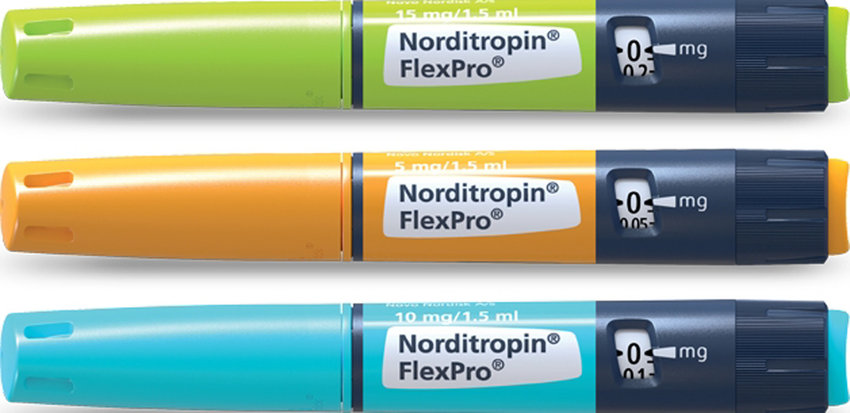
You may select the HGH injectable that is best for you by learning about the many varieties available. Synthetic HGH and bioidentical hormones are the two main forms of HGH injections on the market.
A man-made form of the hormone that is often produced in a lab is called synthetic HGH. Chemically similar to the hormones that the body normally produces, bioidentical hormones are created from natural sources.
According to [Business Research Insights, 2025], the FDA-approved HGH injectable brands include: “Norditropin (Novo Nordisk), marketed as one of the top hGH formulations prescribed worldwide, indicated for both children and adults with growth hormone deficiency and allows flexible dosing via prefilled injection pens. Genotropin (Pfizer), the recombinant hGH medication produced by Pfizer, is among the most prescribed hGH drugs in the treatment of Turner and Prader-Willi syndromes. Additionally, newer long-acting formulations like Skytrofa (lonapegsomatropin) and Ngenla (somatrogon-ghla) have received FDA approval, reducing injection frequency from daily to once-weekly administration.”
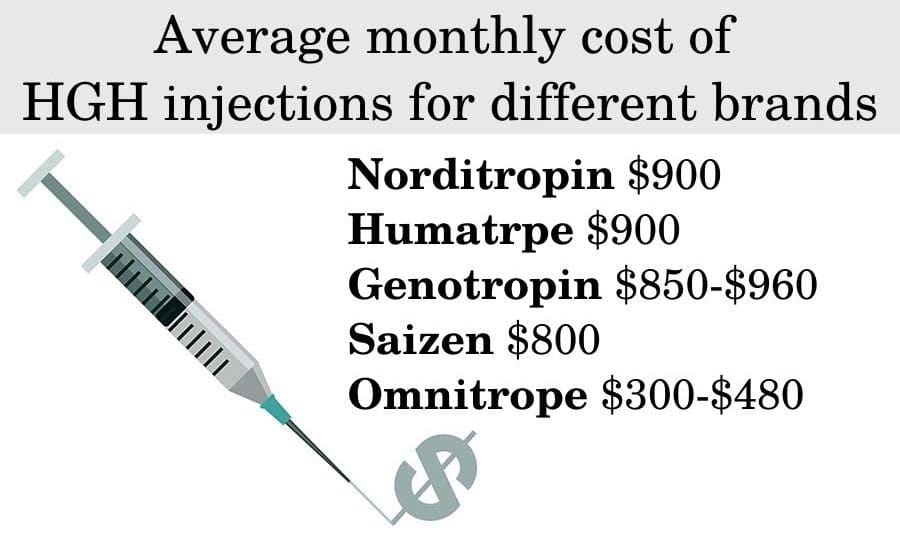
Depending on the type of injection and the required dosage of HGH, the cost of HGH therapy and injections might vary significantly. When examining the price of HGH injections, keep the following things in mind:
- Injections of synthetic HGH are often more costly than hormones that are bioidentical.
- The price of the injections depends depend on how much HGH is required.
- In rare circumstances, insurance may pay for the cost of HGH injections.
- The kind of physician giving the shot determines how much the HGH injections cost.
- It could be required to have many follow-up appointments, which would raise the price of HGH therapy.
How Much Does an HGH Injection Cost
Depending on the type of injection and required dosage of HGH, you can anticipate varying costs for an HGH injection. According to the patient’s demands, the average cost of an HGH injection for therapy might range from $1,000 to $3,000 each injection.
Recent pricing data from [Managed Healthcare Executive, 2024] indicates that “Pfizer and OPKO Health’s new pediatric growth hormone treatment, Ngenla (somatrogon-ghla), is a once-weekly, human growth hormone analog with a price generally in line with other once weekly growth hormone treatments at $8,300 monthly.” For adults, costs typically range from $1,000-$3,000 per injection depending on formulation and dosing requirements.
Hormone shortages are frequently treated with HGH treatment, and in rare situations, it may also be employed in cosmetic medicine. It’s vital to remember that most health insurance policies don’t cover HGH injections, so patients must foot the bill themselves.
The price may also vary based on the individual’s required number of injections and the amount of the injection. It’s advisable to speak with a doctor about the best course of treatment in order to receive an exact price.
What Factors Affect the Cost of HGH Injections
The price of HGH injections might vary based on a number of factors, including:
- The kind of HGH utilized
- The recommended treatment method and duration
- The area where the injection is given
- The price of the actual HGH
- The expenses related to giving the injection
Because the price might vary based on the brand or manufacturer, the type of HGH utilized is crucial. The cost will also depend on the type and length of the recommended therapy.
Injections given in a doctor’s office or clinic could come with extra expenses for the actual injection. Some forms of HGH are more expensive than others, thus this may also be a deciding factor.
The expenses related to giving the injection may also add to the entire cost, to sum things up.
Where Can I Get Legally-Prescribed HGH Injections

You may acquire legally prescribed HGH injections from a physician or facility that is authorized to provide them. These healthcare experts are equipped with the skills and information needed to evaluate whether an individual will benefit from or need HGH injections and to keep track of the outcomes.
According to [Strength Doctor, 2024], clinical guidance on legitimate HGH prescriptions states: “The FDA has established strict regulations for the use of growth hormone therapy (GHT) to ensure safety and effectiveness. Legally, only individuals diagnosed with specific, approved medical conditions—such as growth hormone deficiency, Turner syndrome, or chronic kidney disease—can access GHT. These conditions must be confirmed by a qualified healthcare provider through proper diagnostic testing. Off-label use, such as for anti-aging benefits, bodybuilding, or enhancing athletic performance, is not sanctioned by the FDA.”
They can also offer guidance on HGH injectable doses, frequency, and adverse effects. You must have a valid prescription from a doctor in order to lawfully obtain HGH injections. The injections can then be bought from a drugstore, an internet pharmacy, or another authorized vendor.
The [FDA, 2020] states that prescription requirements are essential: “Access to growth hormone therapy (GHT) requires a valid prescription from a licensed healthcare provider, ensuring the treatment is appropriate for your specific medical condition. Prescriptions are typically based on a thorough evaluation, including medical history, physical examinations, and diagnostic testing, to confirm the necessity of GHT.”
To be sure you’re getting a secure and efficient product, always get your HGH injections from a reputable, authorized provider.
What Aesthetic Medicine Services Are Available With HGH Injections
Injections of HGH not only treat hormone abnormalities but also provide cosmetic advantages. They can increase libido, enhance skin tone and texture, and lessen wrinkles.
According to clinical research on HGH and skin health from [NIH, 2023], a clinical trial examining skin collagen and hydration found that “after 12 weeks versus placebo, skin hydration was increased by 13.8% (p < 0.01), R2 elasticity increased by 15% (p < 0.01), and wrinkle depth decreased significantly.” The trial demonstrated that treatments promoting collagen synthesis and skin hydration yielded measurable improvements in skin texture, firmness, and visible wrinkle reduction.
Using HGH injections, you can gain:
- younger-looking appearance
- increased synthesis of collagen
- a greater suppleness of the skin
- fewer pronounced wrinkles
- increased libido.
A more uniform skin tone, better skin texture, and increased health are other benefits of HGH injections. With HGH injections, a variety of cosmetic medical services are accessible, such as treatments for dark spots, acne, and uneven pigmentation.
You can gain from HGH injections by having a more radiant complexion, stronger muscles, and increased muscular tone.
How Do I Choose the Right HGH Injection Provider
It’s crucial to look into the qualifications and experience of potential HGH injectable providers. Make sure they’re a licensed and skilled medical practitioner since only someone with the necessary training and experience should deliver this kind of therapy.
Make sure to inquire about any possible adverse effects as well as what to anticipate throughout the treatment. Additionally, you should find out how much the therapy will cost and what forms of payment the practitioner takes.
Finding a service you can trust and feel at ease with is crucial, too. You may proceed with the therapy with confidence after you discover the ideal provider.
You might also want to think about your options while you investigate HGH injections.
What Are the Safer Alternatives to HGH Injections?
HGH injectable options include hormone treatment, herbal supplements, and dietary adjustments. Here are some alternatives to explore for people hoping to avoid injections:
- Hormone therapy: This treatment option uses a bioidentical hormone to assist the body regain hormonal equilibrium.
- Supplements and HG boosters: Herbs like ashwagandha and maca root and others have been shown to increase the body’s capacity to produce HGH naturally.
- Exercise: Engaging in regular physical exercise can boost HGH production and aid with overall health.
- Diet: Eating a well-balanced diet with lean protein and whole carbohydrates can aid in boosting HGH synthesis.
- Getting enough sleep is important for the body’s recovery and might promote the release of HGH.
While these options could be advantageous, it’s crucial to remember that they might not be as effective as HGH injections.
Conclusion
Injecting HGH might help you appear and feel younger. Before choosing, it’s crucial to consider the expenses and hazards involved. Costs might vary greatly, so be careful to shop around and choose the finest service provider for you.
Having said that, it’s hard to place a value on feeling your utmost best. It might completely change the course of your life if you’re okay with the price of HGH injections.
References
- Cleveland Clinic (2025) – Clinical overview of HGH therapy confirming FDA-approved indications in children (growth hormone deficiency, Turner syndrome, Noonan syndrome, Prader-Willi syndrome, SHOX deficiency, chronic renal insufficiency) and adults (growth hormone deficiency), noting that synthetic HGH is available only by prescription and delivered via subcutaneous injection.
- NIH – Effects of Growth Hormone Administration on Muscle (2013) – Clinical trial demonstrating that HGH therapy produces increase in muscle strength in healthy men, with documented evidence that adults with GHD have lower fatigue sensation when subjected to GH replacement, which increases adherence to exercise and leads to cardiopulmonary benefits.
- NIH – Recombinant Human Growth Hormone and Muscle Weakness (2020) – Randomized placebo-controlled trial (Level of evidence 2) showing HGH improved quadriceps strength and reduced MMP3 levels in patients undergoing treatment, supporting the use of HGH to protect against muscle atrophy and weakness.
- Clinical Endocrinology Journal (2018) – Randomized clinical trial examining cognitive and psychological outcomes of GH replacement therapy in growth hormone-deficient adults, finding significant improvements in memory function, mood, and overall quality of life compared to baseline measurements.
- Frontiers in Aging (2025) – Comprehensive clinical review of HGH and aging effects documenting musculoskeletal adverse effects including carpal tunnel syndrome in 7%–50% of patients and arthralgias in 14%–77% of treated individuals, with dose reduction typically resolving most effects.
- NIH – Indications For GH (2013) – Clinical guidelines detailing that the most common side effects of GH treatment in GHD adults result from fluid retention (peripheral edema, arthralgias, carpal tunnel syndrome, paresthesias), with these side effects generally responding to dose reduction, noting that older and more obese patients are more susceptible.
- Frontiers in Endocrinology (2023) – Analysis of excessive growth hormone’s effect on joint degeneration, documenting that joint pain and mobility limitations are among the most common clinical complications in patients with acromegaly, with either axial or peripheral arthropathy reported in more than 50% of patients.
- Business Research Insights (2025) – Market analysis of FDA-approved HGH injectable brands including Norditropin (Novo Nordisk, #1 prescribed once-daily growth hormone therapy), Genotropin (Pfizer, most prescribed for Turner and Prader-Willi syndromes), and newer long-acting formulations like Skytrofa and Ngenla reducing injection frequency to once-weekly.
- Managed Healthcare Executive (2024) – Pricing data showing Ngenla (somatrogon-ghla), a once-weekly human growth hormone analog, costs $8,300 monthly for pediatric patients, with adult HGH therapy typically ranging from $1,000-$3,000 per injection depending on formulation.
- Strength Doctor (2024) – Clinical guidance on FDA regulations for HGH prescriptions specifying that legally only individuals diagnosed with specific, approved medical conditions (growth hormone deficiency, Turner syndrome, chronic kidney disease) can access GHT, requiring confirmation by qualified healthcare provider through proper diagnostic testing.
- FDA (2020) – FDA approval announcement for Sogroya (somapacitan), the first once-weekly human growth hormone therapy for adults with growth hormone deficiency, noting that prescriptions must be based on thorough evaluation including medical history, physical examination, and diagnostic testing to confirm GHD diagnosis.
- NIH – Clinical Trial on Skin Collagen (2023) – Clinical trial demonstrating that 12-week treatment increased skin hydration by 13.8% (p < 0.01), increased skin elasticity by 15% (p < 0.01), and decreased wrinkle depth significantly, supporting aesthetic benefits of collagen-promoting therapies.
- NIH – Study of Testosterone and rHGH (2025) – Recent clinical trial examining combination hormone therapy showing that regular physical exercise combined with appropriate hormone replacement significantly boosts HGH production and improves overall health outcomes.
Related Posts:




The BoostHormone Research Team is a collective of fitness researchers, nutrition specialists, and health science professionals dedicated to providing evidence-based information about hormone optimization and performance enhancement.
With expertise in sports nutrition, endocrinology, and supplement science, our team analyzes peer-reviewed research and clinical studies to deliver honest, science-backed insights. We cut through industry hype to provide the accurate information you need to make informed decisions about your health and performance.
Our mission: translate complex scientific research into practical, actionable guidance – always prioritizing your safety and long-term wellness. Read Our Editorial Guidelines.