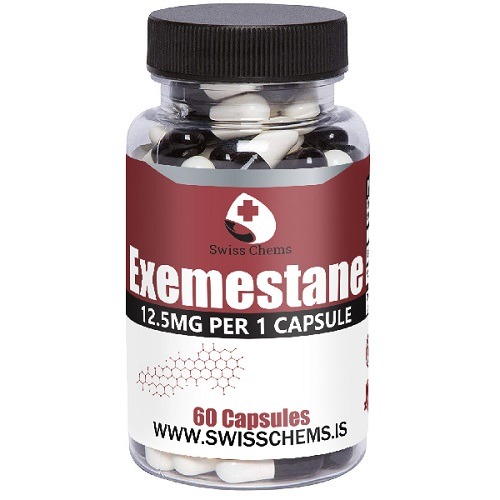
Aromasin (Exemestane) for Bodybuilding: Estrogen Control and PCT Guide
Aromasin (Exemestane) is an aromatase inhibitor drug that reduces estrogen production in the body. This drug is approved in the USA and is used in the treatment of breast cancer.
In bodybuilding, Aromasin is used on a steroid cycle to reduce the aromatase effect (conversion of testosterone to estrogens) when taking anabolic hormones.
Exemestane is a drug of the aromatase inhibitor class used in bodybuilding to suppress the estrogenic side effects of steroids. It was patented by Upjohn, the company that created it. The anti-estrogen first appeared on the U.S. market in the very early 2000s, right after it was approved for sale.
Like other representatives of this class of anti-estrogens, Aromasin is actively used in medicine for the treatment of breast cancer in women during menopause. However, the drug is no less popular in sports because it can effectively suppress the estrogenic side effects of AAS.
Its working mechanism resembles the more popular aromatase inhibitors Letrozole and Anastrozole. However, unlike them, athletes often use Exemestane in bodybuilding after a cycle of steroids.
The alternatives are Letrozole and Anastrozole.
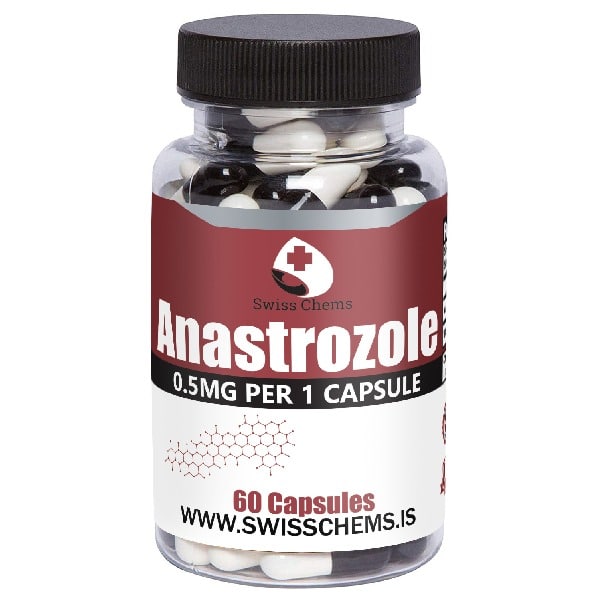
Anastrozole usage on a cycle
The tactic of many athletes is to use aromatase inhibitors when the first signs of gynecomastia appear (swelling, itching in the nipple area, redness). However, this approach is not optimal.
According to clinical research on aromatase inhibitor mechanisms published in [Plourde et al., Journal of Clinical Endocrinology & Metabolism, 2004], aromatase inhibitors including anastrozole act as competitive blockers of the aromatase enzyme, preventing the peripheral conversion of androgens to estrogens. The study demonstrated that anastrozole (1 mg daily) produces estradiol suppression of approximately 50% at therapeutic doses. For gynecomastia prevention, proactive administration starting from the beginning of AAS administration is superior to reactive treatment after gynecomastia symptoms appear, as estrogen-induced breast tissue proliferation has already begun by the time symptoms manifest.
The most optimal solution is to perform an estradiol test after about 10 days of taking anabolic steroids with a short half-life (testosterone propionate, methandrostenolone) or after 3-4 weeks of administration of long esters (Enanthate, Sustanon, Cypionate). Then a medium dosage of Anastrozole 0.5 mg every other day is prescribed. After 10 days a control analysis of estradiol is performed and the dosage is adjusted according to the results.
A compromise option would be to use a moderate or low dosage of Anastrozole, guided by subjective sensations. If a drop in libido, erectile dysfunction, or depression occurs after the prescription, the dose should be reduced.
You can get Anastrozole here. Use the code: boosthormone15 for 10% off.
Aromasin dosage during the cycle
The recommended dosages range from 12.5 to 25 milligrams and should be used every other day. However, in most cases, athletes should only use 12.5 mg of Exemestane up to three times a week.
According to clinical pharmacokinetic research on exemestane dosing published in [Serrano et al., JAMA Oncology, 2023], exemestane 25 mg administered 3 times weekly in adherent patients was demonstrated to be noninferior to the standard daily dose for estrogen suppression. The study showed that a 25 mg dose produces maximal estradiol suppression on day 3 and effects persist for up to 7 days, supporting flexible dosing schedules. This extended half-life of exemestane (24-26 hours) allows for reduced-frequency dosing while maintaining effective estrogen suppression, with the three-times-weekly regimen representing an alternative for patients seeking reduced dosing frequency or improved tolerability.
If the maximum prescribed dosage is used, however, the duration of the Exemestane cycle should not be prolonged. You should only use 25 milligrams for cholesterol disorders and only use the minimum dosage for other conditions. Exemestane is sometimes used in professional sports one or two weeks before the start of a tournament to improve the muscles definition.
Tamoxifen for PCT
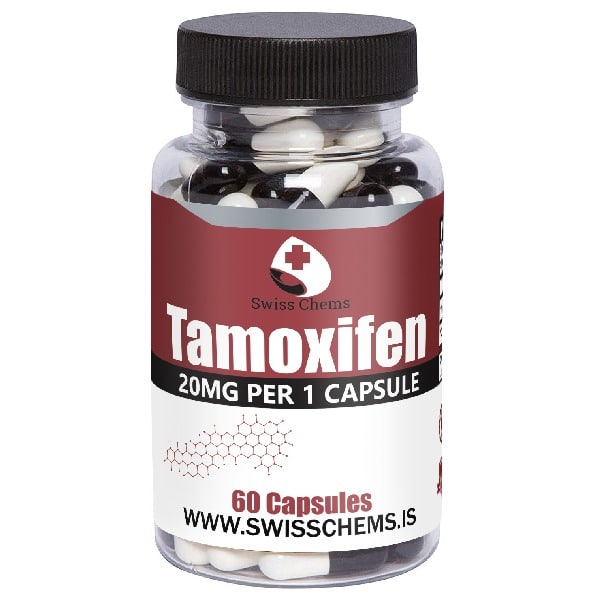
Primarily known as Nolvadex, Tamoxifen is most commonly used in bodybuilding by those using anabolic steroids for two purposes:
- To prevent side effects during the cycle
- More often during the PCT cycle.
For the most part, Tamoxifen is well tolerated, this applies to both men and women, but ladies mostly use it in much lower doses and do so for its active rather than protective effect.
Tamoxifen is mostly used in bodybuilding during PCT. Nolvadex has been proven to have a significant effect in terms of stimulating testosterone production mainly by increasing luteinizing hormone levels.
According to clinical research on tamoxifen’s mechanism in testosterone recovery published in [Grant et al., Journal of the Endocrine Society, 2023], post-cycle therapy (PCT) consisting of hCG, selective estrogen receptor modulators (SERMs) like tamoxifen, and aromatase inhibitors was associated with faster biochemical recovery from AAS-induced hypogonadism. PCT use was associated with normalized reproductive hormones in an average of 13.3 weeks compared to 18.7 weeks for men who did not use PCT, representing a 29% faster recovery rate (P < 0.01). Tamoxifen increases luteinizing hormone (LH) and follicle-stimulating hormone (FSH) by blocking estrogen-mediated negative feedback at the hypothalamic-pituitary axis, thus restoring endogenous testosterone synthesis in suppressed men.
It is a well-known fact that when anabolic steroids are used, your testosterone production is suppressed.
The degree of suppression depends on the type of steroids used and the duration of their use, but it (suppression) will occur in any case. Once the cycle is over, you need to be ready for action to keep the health and muscle gained. Most bodybuilders who follow a proper PCT regimen do so for 3-4 weeks. For them, Tamoxifen is the way to go.
For many, there is nothing better than using just hCG and Tamoxifen on a PCT cycle. However, you should not make a mistake thinking that during several weeks of such therapy you will return 100% of your former testosterone production, though it will considerably speed up the process of returning to the former level.
You can get Tamoxifen here. Use the code: boosthormone15 for 25% off.
Tamoxifen dosage
Many who are using Tamoxifen on a cycle do so to prevent gynecomastia. Steroids, which are highly androgenic, often lead to this problem. Tamoxifen helps to avoid the condition. 10mg per day will be enough in most cases. However, for some athletes, this dosage won’t be enough as they also will need to reduce estrogen levels with aromatase inhibitors, such as Arimidex or Letrozole. For many, aromatase inhibitors are a more reliable option than Tamoxifen.
The research
The arrival of the inexpensive brand name Letrozole has put this drug in the lead. There are a sufficient number of studies confirming its high efficacy in men. The administration of the drug was accompanied by a noticeable rise in gonadotropin (LH).
According to a comprehensive meta-analysis on letrozole and anastrozole efficacy in male infertility published in [Guo et al., Andrology, 2022], letrozole (LE) or anastrozole (AZ) administration significantly increased sperm concentration, total sperm count, serum luteinizing hormone (LH), follicle-stimulating hormone (FSH), and testosterone (T) levels, while estradiol (E2) levels were significantly reduced. The meta-analysis of 10 studies involving 666 patients demonstrated that aromatase inhibitors significantly increased the testosterone-to-estradiol ratio (T/E2) by reducing circulating estrogen. The effective dosage starts at 0.02 mg of letrozole (100 times lower than the therapeutic dosage) which reduces estrogen levels by approximately one-third. The half-life of letrozole is 2-4 days, allowing for flexible every-other-day dosing protocols.
The effective dosage starts at 0.02 mg (100 times lower than the therapeutic dosage) and reduces estrogen levels by a third. The half-life of Letrozole is 2-4 days, which allows it to be taken every other day. The main disadvantage is its pronounced ability to suppress estrogen levels even at low dosages.
Anastrozole has also been well studied on men as an estradiol reducer and is widely used in bodybuilding. It has been experimentally shown that a dosage of 1-0.5 mg can lower estradiol levels by about 50%. This drug can be purchased almost 10 times cheaper at dealers than at the pharmacy.
Dr. Mauro Di Pasquale writes in his book: “estrogens produced by the aromatization of testosterone and other anabolic steroids in parts of the brain and hypothalamus are thought to reduce luteinizing hormone secretion and therefore testosterone production.” Goodman and Gilman report that the feedback mechanism is activated by the concentration of estrogen rather than testosterone. Thus, an explanation is given for the fact that AIs can significantly reduce the inhibitory effect of anabolic agents on the secretion of one’s sex hormones.
Side effects
As we know, estrogens in moderate amounts are beneficial even for the male body. Estrogen hormones increase the sensitivity of androgen receptors and increase the effectiveness of the cycle, as well as having an anabolic and protective effect by themselves.
According to clinical research on estrogen receptor signaling in muscle published in [Velders et al., PLoS ONE, 2012], estrogen receptor-beta (ERβ) signaling is involved in the regulation of skeletal muscle growth and regeneration by stimulating anabolic pathways and activating satellite cells. Beta estrogen receptor stimulation in male rats induced strong muscle growth accompanied by robust induction of insulin-like growth factor-1 (IGF-1) expression. Selective estrogen receptor-beta activation stimulates skeletal muscle protein synthesis and IGF-1 production, while estrogen receptor-alpha (ERα) provides additional protective effects. Excessive suppression of estrogen through high-dose aromatase inhibitors eliminates these anabolic and protective effects of estrogen on muscle tissue.
The importance of estrogen receptors in muscles is described in detail in multiple clinical studies. Thus, in practice, high doses of aromatase inhibitors can excessively suppress estrogen levels and lead to the following side effects:
According to comprehensive research on aromatase inhibitor-associated musculoskeletal syndrome published in [Grigorian et al., Cancers, 2022], aromatase inhibitor therapy leads to estrogen depletion in the body, causing multiple adverse effects including arthralgias (joint pain), myalgias (muscle pain), hot flashes, insomnia, accelerated bone loss leading to osteoporosis, and increased risk of ischemic heart disease. Aromatase inhibitor-associated musculoskeletal syndrome (AIMSS) includes joint pain affecting hands, wrists, knees, lower back, hips, and shoulders. Approximately 50% of patients report new onset or worsening joint pain 1 year after therapy initiation. The joint pain is frequently cited as the leading cause of premature discontinuation of therapy, with approximately 30% of patients discontinuing therapy after 1 year. High-dose AI therapy excessively suppresses estrogen beyond physiological needs, eliminating beneficial estrogen effects on bone density, blood lipid profiles, and cardiovascular health.
- Inhibition of muscle growth.
- Arthralgia (joint pain)
- Decreased bone strength
- Disruption of the blood lipid profile (increased cholesterol)
- Decline in libido
- Depression
Subjectively, the drugs are better tolerated than Tamoxifen.
Natural aromatase inhibitors
- Resveratrol
- Caffeine
- Nicotine
- Zinc
- Catechins
- Apigenin
- Eriodictyol
Where to buy Aromasin
You can buy Aromasin online at SwissChems website, using the discount code below for 25% off the price.
- All the vendor’s products are HPLC verified.
- Local USA delivery 1-5 days on all products.
Swiss Chems Coupon Code
We share coupon code from Swiss Chems with our readers! Use boosthormone15 and you will have an 10% discount on your orders.
References
- [Plourde et al., Journal of Clinical Endocrinology & Metabolism, 2004] – “Safety and Efficacy of Anastrozole for the Treatment of Pubertal Gynecomastia” – Clinical research establishing that aromatase inhibitors including anastrozole act as competitive blockers of the aromatase enzyme, preventing peripheral conversion of androgens to estrogens. Anastrozole (1 mg daily) produces approximately 50% estradiol suppression at therapeutic doses. The study demonstrates that proactive administration of AIs starting from the beginning of androgen use is superior to reactive treatment after gynecomastia symptoms appear, as estrogen-induced breast tissue proliferation has already begun by symptom manifestation.
- [Serrano et al., JAMA Oncology, 2023] – “Efficacy of Alternative Dose Regimens of Exemestane in Adjuvant Treatment of Hormone Receptor-Positive Early Breast Cancer” – Randomized clinical trial demonstrating that exemestane 25 mg administered 3 times weekly in adherent patients was noninferior to standard daily dosing for estrogen suppression. The study showed maximal estradiol suppression occurs on day 3 with effects persisting up to 7 days. Exemestane’s 24-26 hour half-life allows flexible dosing schedules. The three-times-weekly regimen represents a viable alternative for reduced-frequency dosing while maintaining effective estrogen suppression.
- [Grant et al., Journal of the Endocrine Society, 2023] – “Self-administration Of Post-cycle Therapy Is Associated With Increased Probability Of Subsequent Normalisation Of Reproductive Hormones Following Anabolic-androgenic Steroid Cessation In Men” – Clinical audit of 613 men stopping AAS demonstrating that PCT use was associated with normalized reproductive hormones in 13.3 weeks compared to 18.7 weeks without PCT (29% faster recovery, P < 0.01). Tamoxifen increases LH and FSH by blocking estrogen-mediated negative feedback at the hypothalamic-pituitary axis, restoring endogenous testosterone synthesis. PCT-using men had significantly higher serum testosterone (12.8 ± 7.6 nmol/L) versus non-PCT users (11.3 ± 6.7 nmol/L, P=0.024).
- [Guo et al., Andrology, 2022] – “Efficacy and safety of letrozole or anastrozole in the treatment of male infertility with low testosterone-estradiol ratio: A meta-analysis and systematic review” – Meta-analysis of 10 studies involving 666 patients showing letrozole (LE) or anastrozole (AZ) significantly increased sperm concentration, total sperm count, serum LH, FSH, and testosterone levels while estradiol levels decreased significantly. Aromatase inhibitors significantly increased testosterone-to-estradiol ratio (T/E2). Letrozole effective dosage starts at 0.02 mg (100 times lower than therapeutic dose) reducing estrogen by approximately one-third. Half-life of 2-4 days supports every-other-day dosing protocols.
- [Velders et al., PLoS ONE, 2012] – “Selective Estrogen Receptor β Activation Stimulates Skeletal Muscle Growth and Regeneration” – Clinical research demonstrating that estrogen receptor-beta (ERβ) signaling regulates skeletal muscle growth and regeneration via anabolic pathways and satellite cell activation. Beta estrogen receptor stimulation in male models induced muscle growth with robust IGF-1 induction. Selective ERβ activation stimulates muscle protein synthesis and IGF-1 production. Excessive AI-induced estrogen suppression eliminates these anabolic and protective effects of estrogen on muscle tissue.
- [Grigorian et al., Cancers, 2022] – “Aromatase inhibitor-associated musculoskeletal pain” – Comprehensive review establishing that aromatase inhibitor-induced estrogen depletion causes multiple adverse effects: arthralgias (joint pain), myalgias, hot flashes, insomnia, accelerated bone loss/osteoporosis, and increased ischemic heart disease risk. AIMSS affects hands, wrists, knees, lower back, and shoulders. Approximately 50% report new/worsening joint pain within 1 year of therapy initiation, with joint pain being the leading cause of treatment discontinuation (30% discontinue within 1 year). High-dose AI therapy excessively suppresses estrogen beyond physiological levels, eliminating beneficial effects on bone density, lipid profiles, and cardiovascular health.

The BoostHormone Research Team is a collective of fitness researchers, nutrition specialists, and health science professionals dedicated to providing evidence-based information about hormone optimization and performance enhancement.
With expertise in sports nutrition, endocrinology, and supplement science, our team analyzes peer-reviewed research and clinical studies to deliver honest, science-backed insights. We cut through industry hype to provide the accurate information you need to make informed decisions about your health and performance.
Our mission: translate complex scientific research into practical, actionable guidance – always prioritizing your safety and long-term wellness. Read Our Editorial Guidelines.