Wondering if those HGH supplements you’ve seen ads for actually boost energy or muscle growth? Human growth hormone pills and sprays claim to fight aging, improve fitness, and even sharpen your mind—but science says it’s not that simple.
While some users swear by faster recovery or smoother skin, most over-the-counter options can’t mimic real HGH’s effects because your body breaks them down before they work.
Let’s unpack what research reveals about these products, why results vary, and whether they’re worth your cash compared to diet changes or doctor-approved treatments.
Introduction
Human growth hormone (HGH) is a peptide hormone produced in the pituitary gland that plays a key role in growth and development, especially during childhood and adolescence. As we age, natural HGH production declines, leading some to seek out supplementation as a way to slow aging or build muscle mass.
While prescription HGH injections are proven to increase hormone levels, there is debate around the effectiveness and safety of over-the-counter HGH pills, sprays, and supplements.
In recent years, HGH supplements have surged in popularity with claims of reducing body fat, building lean muscle, improving mood, enhancing sex drive, and even reversing signs of aging. However, many experts argue that the low bioavailability of amino acid-based HGH supplements renders them ineffective for most goals. Despite being widely available without a prescription, HGH supplements occupy a legal gray area and lack regulation by the FDA.
This article will take an objective, evidence-based look at HGH supplements on the market today. We will analyze the current research on their efficacy and safety, compare delivery methods like pills versus injections, discuss regulations and legal issues, and examine anecdotal experiences of those who have tried these products.
The goal is to cut through the hype and clearly inform consumers to make the best decisions regarding use of HGH supplements.
Current Research on HGH Supplement Efficacy and Safety
Most over-the-counter HGH supplements contain amino acids and other natural compounds claimed to boost HGH production and provide associated benefits. Several ingredients have been specifically researched:
- L-arginine: A meta-analysis published in 2022 on [Growth Hormone Response to L-Arginine] found that
According to a comprehensive meta-analysis published in [International Journal of Molecular Sciences, 2022], meta-analyses showed significant effects of L-arginine alone on GH release (MD = 10.07, 95% CI: 7.87, 12.28). Moreover, the response of GH was greater with L-arginine in combination with GHRH (MD = 24.96, 95% CI: 17.51, 32.42). The systematic review revealed the important role of L-arginine in combination with other amino acids on GH secretion in patients with GH deficiency.
However, other studies show no benefit of isolated L-arginine supplementation on athletic performance or body composition.
- L-lysine: Limited research exists on L-lysine and HGH levels. One study in athletes found a combination of lysine and arginine increased resting HGH levels but did not improve strength or body composition.
- L-glutamine: Several studies reveal no significant increases in circulating HGH levels after glutamine supplementation. However, some show potential benefits for muscle growth and athletic performance when combined with training.
- Alpha-GPC: A 2018 study showed the compound alpha-GPC increased HGH secretion during exercise. However, this has not been replicated and no studies have examined direct performance enhancement.
- GABA: Small studies have shown potential HGH boosting effects with GABA supplementation but results are inconsistent. No research has assessed impacts on sport performance, muscle gain, or fat loss.
According to a randomized, placebo-controlled, double-blind, crossover study published in [Nutrients, 2019] examining the effects of an optimized amino acid supplement blend on hGH release, “At 120 minutes, hGH levels increased by 682% (8-fold) from baseline and were significantly higher than placebo (P = 0.01). A significantly higher mean area under the curve was observed for the amino acid supplement compared with the placebo [20.4 (95% CI, 19.9-21.0 ng/mL) vs. 19.7 (95% CI, 18.7-20.6 ng/mL); P = 0.04].”
While certain ingredients like L-arginine and alpha-GPC may provide minor HGH-boosting effects in specific contexts like high-intensity exercise, data is lacking on direct benefits for bodybuilding, anti-aging, or weight loss. Importantly, any transient HGH spikes from supplements fail to mimic the effects of prescription HGH therapy.
Research is also limited by short study durations and reliance on measures like serum HGH levels rather than patient-oriented outcomes. Long-term randomized controlled trials are needed to properly evaluate efficacy and safety. In summary, current evidence does not strongly support the claimed benefits of over-the-counter HGH supplements.
HGH Injections vs. Supplements: Absorption and Bioavailability
Prescription HGH is administered via subcutaneous injection, which directly delivers the bioidentical hormone into the bloodstream. This allows for full absorption and activity at the target receptors. Studies show HGH injections reliably increase IGF-1 and other growth factors in a dose-dependent manner, leading to positive effects on body composition.
According to clinical pharmacology research on [First-Pass Metabolism, NIH Bookshelf, 2023], “Once swallowed, oral medications must navigate the stomach acidity and be taken up by the digestive tract. When oral medication is administered, it is often processed in large quantities by the liver, gut wall, or digestive enzymes, subsequently lowering the amount of drug that arrives in circulation and, therefore, having a lower bioavailability. The liver is the major site of first pass effect; however, it can also occur in the lungs, vasculature or other metabolically active tissues in the body.”
In contrast, supplements rely on indirect stimulation of HGH production via compounds that must be absorbed through the digestive tract. Both pills and sublingual sprays undergo extensive first-pass metabolism by the liver, which greatly reduces bioavailability. One study estimated that oral L-arginine had a bioavailability of only around 20% compared to intravenous administration.
According to research on peptide bioavailability published in [Peptide Research, 2021], “The bioavailability of the di-peptides Gly-Pro, Hyp-Gly, and Ala-Hyp after first pass metabolism did not differ between treatment groups, with bioavailability for Gly-Pro and Hyp-Gly after both treatments exceeding 32%. Although the bioavailability of Pro-Hyp showed variation between treatments (26.81 ± 3.97% vs 15.43 ± 2.60%), this difference did not reach statistical significance. After first-pass metabolism, the bioavailability of Gly-Pro-Hyp was 12.24 ± 1.12%.”
Furthermore, some research indicates that providing single amino acids may even suppress overall HGH production due to negative feedback loops. The body tightly regulates HGH levels, making it difficult to substantially increase them without exogenous injections. One analysis found that most supposed HGH-boosting supplements did not stimulate natural production beyond normal variability.
In summary, while prescription HGH reliably elevates hormone levels thanks to injection delivery, supplements have not been shown to increase HGH sufficiently to have meaningful physiological impact. The poor absorption and bioavailability of commonly marketed HGH supplement ingredients likely render them ineffective for most enhancement goals. Those seeking dramatic benefits seen in clinical HGH therapy would require physician-supervised injections.
Let’s Talk HGH Basics
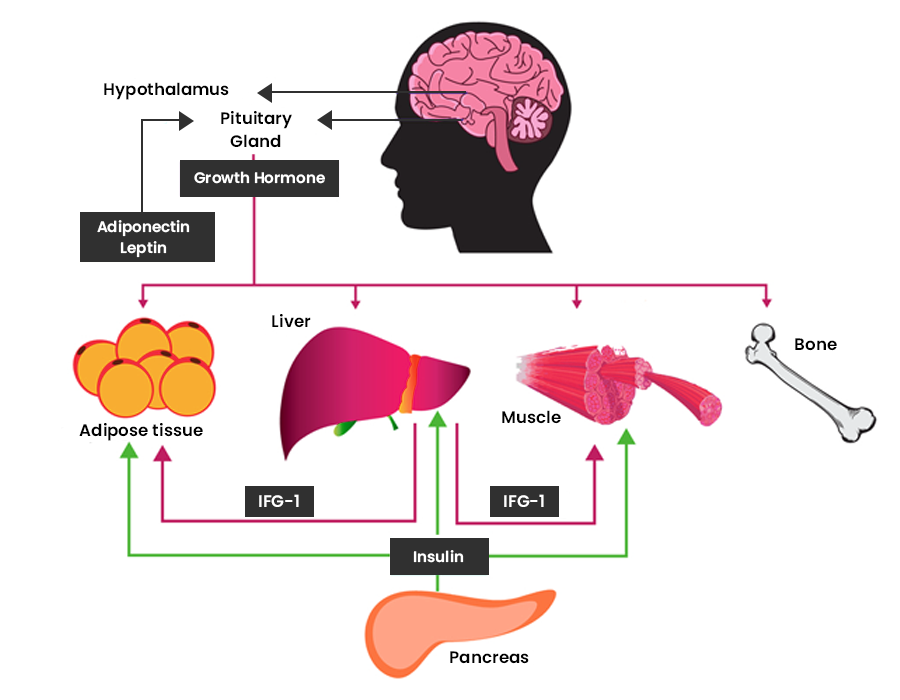
Let’s start with the fundamentals before getting into the specifics of HGH supplements. What exactly is HGH?
Human Growth Hormone (HGH)
Your pituitary gland produces HGH – natural hormone. It is an important factor in development of the muscles and general health. Consider it as your body’s natural fat and muscle burner. The real kicker is that HGH levels gradually decline with aging. HGH pills can help in this situation.
Understanding HGH Supplements
What Exactly Are HGH Supplements?
HGH supplements are available in a number of dosages, including tablets, injections, and even oral sprays. They are made to increase your body’s HGH levels, which may aid in muscle gain, fat loss, and other things.
Let’s talk about some well-known HGH supplement companies and what they have to offer.
Popular HGH Supplement Brands
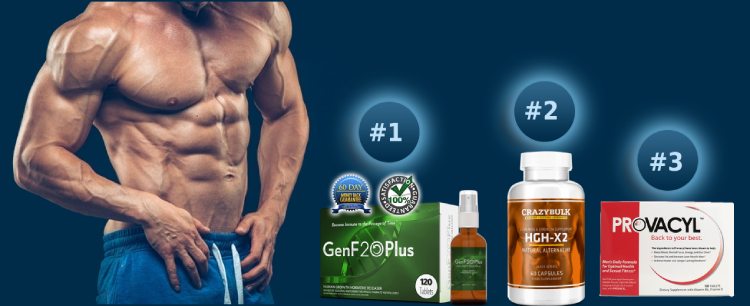
1. Genf20 Plus
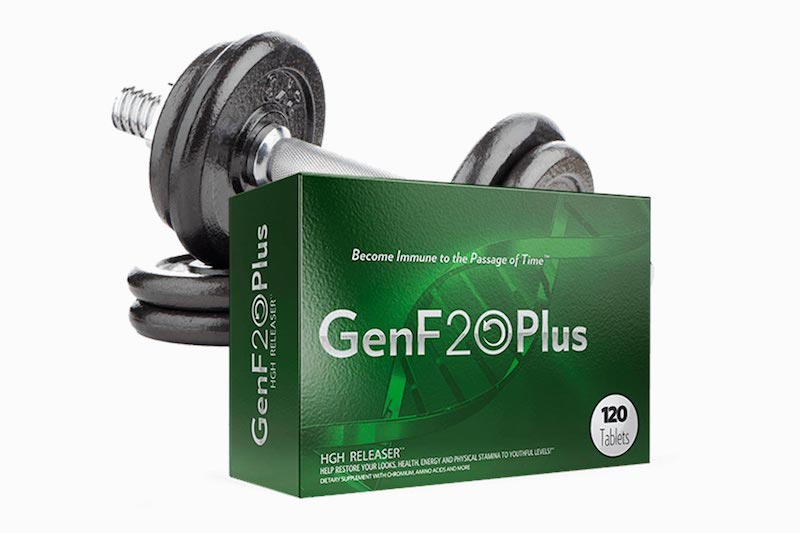
One of the most well-known HGH supplement manufacturers is Genf20 Plus.
According to a clinical study examining the effect of GenF20 Plus on serum IGF-1 levels in healthy adults published in [Open Access Journal of Clinical Trials, 2015], “In the subgroup age ≥ 40 years, a statistically significant increase was seen in serum IGF-1 levels in the GenF20 Plus group [22.69 (28.57%)] as compared to placebo [-4.31 (-0.55%)] (p = 0.02). The significant increase in the serum IGF 1 levels in the subgroup age ≥ 40 in the active group is attributable to consumption of GenF20 Plus.”
What benefits you:
- Strength and Muscle Mass Increase: Genf20 Plus is well renowned for its capacity to boost strength and muscle mass. Perfect if you want to improve your physical skills.
- Anti-Aging Benefits: I noted fewer wrinkles and greater skin suppleness as reduced indications of aging.
- Energy Boost: A significant increase in energy and stamina is frequently reported by most users, which can be transformative for both workouts and daily life.
2. Provacyl
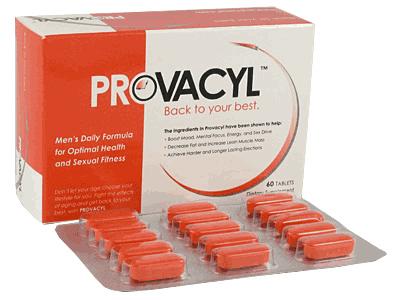
What benefits you:
- Hormone Balance: The main focus of Provacyl is hormone balance, particularly HGH. This may result in improved general health.
- Libido Boost: I noted an increase in libido and better sexual performance.
- Sharper Focus: I discovered that taking Provacyl gives their mental clarity and focus a wonderful boost.
3. Sytropin
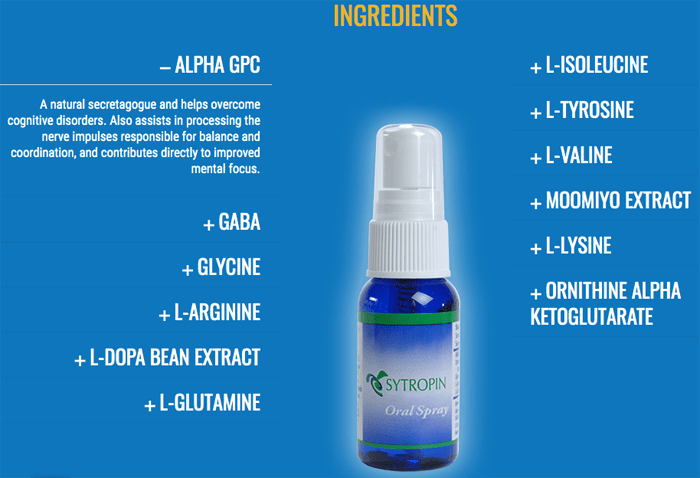
What’s in it for you:
- Sytropin is available as an oral spray, making it simple to administer and assimilate.
- I noted speedier recovery times following strenuous workouts, which may improve athletic performance.
- Sytropin may even assist you in getting better-quality zzzs, which are crucial for your general health.
4. HyperGH
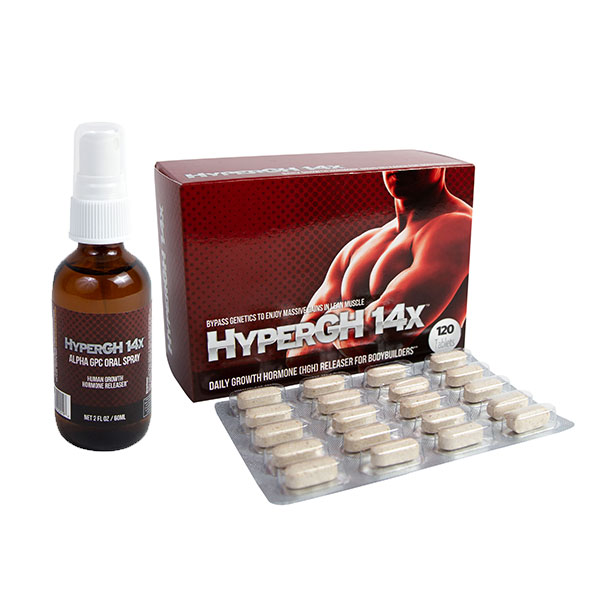
What’s in it for you:
- HyperGH is specifically designed to encourage the development of lean muscle mass and fat loss. Fantastic if you’re all about the gym grind.
- You are getting greater endurance and stamina throughout workouts after using Rockin’ Workouts.
- Quicker recovery times allow you to participate in those beneficial training sessions more frequently.
Now keep in mind that every person will experience results differently. Therefore, it is wise to seek advice from a healthcare professional before selecting a certain brand.
The Legal Status and FDA Regulation of HGH Products
Prescription HGH or somatropin is classified as a controlled substance and approved as a drug by the FDA for specific conditions such as growth deficiencies in children. Manufacturers must provide rigorous safety and efficacy data, with strict oversight of dosing and drug labeling. However, it is legal for physicians to prescribe HGH “off-label” for purposes like anti-aging or improved athletic performance.
According to the FDA’s 2025 Unified Regulatory Agenda for dietary supplements published in [Global Regulatory Partners, 2025], “The FDA regulates dietary supplements under the Dietary Supplement Health and Education Act of 1994 (DSHEA). Unlike pharmaceuticals, supplements do not require FDA approval before being marketed. However, manufacturers are responsible for ensuring the safety of their products and accurate labeling. In 2025, the FDA announced a major reorganization by establishing the Human Foods Program (HFP), aiming to modernize and strengthen the evaluation of food ingredients and dietary supplements.”
Over-the-counter dietary supplements are not regulated as tightly by the FDA, and barely regulated at all prior to being marketed. Rather than requiring approval as drugs, the burden falls to the FDA to prove a supplement unsafe after release in order to take action. HGH supplements may claim to boost natural hormone production, but making overt claims about effects on bodybuilding, aging, etc crosses the line into “drug” territory.
This regulatory gray area means quality control and verification of ingredients falls largely to the supplement manufacturers themselves. One study testing popular “HGH” supplements found less than half actually contained somatropin, while others only had negligible traces of the amino acids listed on labels. Such inconsistent dosing makes safe use difficult, especially with reports of side effects like joint pain, edema, insulin resistance, and carpal tunnel syndrome in some users.
In summary, while prescription HGH undergoes rigorous oversight, the supplement industry largely operates on the honor system, leading to products of questionable quality and efficacy. Tighter FDA regulations on allowable claims and manufacturing practices would benefit consumers seeking these products.
Can HGH Supplements Give Your Performance a Boost?
Let’s get to the meat of the matter: Do HGH pills actually boost performance?
The Performance Connection
Some people use HGH pills in the hopes of improving their sporting prowess. It is hypothesized that more muscle mass and faster recovery times will result in higher performance in sports or the gym.
Scientific Studies
The findings of this research are conflicting. While some research indicates that HGH can aid in boosting muscle mass and lowering body fat, the results might not be as profound as some people anticipate.
According to a prospective, observational study published in [Frontiers in Endocrinology, 2023] examining stress-associated weight gain, fibromyalgia symptoms, and HGH response to amino acid supplement blends, “This prospective cohort study investigated the effects of 24 weeks of daily oral administration of the test supplement in individuals with stress-related weight gain, fibromyalgia, and stress-associated low-normal hGH production (15-30th percentile for age-appropriate levels). Results demonstrated an increase in serum IGF-1 levels from baseline to week 24 in individuals receiving the amino acid supplement, suggesting that optimization of IGF-1 with the test supplement may represent a novel method of improving clinical symptoms, including stress-related weight gain, in individuals with fibromyalgia and stress-associated low-normal hGH.”
Additionally, while your workout partner may swear by these supplements, your experience may be different because everyone reacts to supplements differently. It is generally recognized that HGH replacement therapy can alter body composition, resulting in a reduction in overall body fat and an increase in lean body mass. GH improves muscle hypertrophy without changing contractile force or type of fiber composition, which promotes muscle strength. Synthetic HGH may have negative side effects, such as elevated cholesterol, arm and leg swelling, and pain in the joints, muscles, or nerves.
Consider two players who are both experimenting with HGH pills to put it into perspective. With observable gains in muscle strength and stamina and improved performance, Athlete A feels like a superhero. Athlete B, on the other hand, doesn’t see many changes and is perplexed by the uproar.
Athlete Testimonials
Remember that every anecdote is unique. You should not assume that just because a buddy had a wonderful experience, you will also have one.
Take into account the potential benefits and drawbacks of utilizing HGH supplements for performance before deciding:
Pros of HGH Supplements for Performance
| Pros | What You Need to Know |
|---|---|
| Potential Muscle Gain | Some users report increased muscle mass and strength, potentially enhancing athletic performance. |
| Improved Recovery Time | HGH may aid in faster recovery from strenuous workouts or injuries, allowing for more training sessions. |
Cons of HGH Supplements for Performance
| Cons | What You Need to Know |
|---|---|
| Varying Results | The effectiveness of HGH supplements varies from person to person, and results may not meet expectations. |
What is the final word on HGH performance supplements? Individual reactions can range widely, so it’s kind of a mixed bag. As with any supplement, it’s important to set reasonable expectations and speak with a doctor if you have any questions.
Making a Smart Choice
It’s time to make a wise decision now that you know more about HGH supplements and their possible advantages.
- Speaking with a Healthcare Professional: If you’re thinking about using HGH supplements for whatever reason, speak with a healthcare professional who can advise you based on your unique requirements.
- Cost-Benefit Evaluation. As you consider your options, take into account the price of HGH supplements, both financially and in terms of prospective benefits.
The decision to try HGH supplements should, in the end, be deliberate. Finding what works best for you and your fitness objectives is key.
Wrapping It Up: Should You Try HGH Supplements?
In reviewing the current medical literature, anecdotal reports, and expert opinions, a nuanced picture emerges on over-the-counter HGH supplements. While prescription HGH injections can provide dramatic effects when medically indicated, evidence for supplements significantly enhancing hormone levels or providing comparable benefits remains inconclusive at best.
However, some of the amino acids and nutrient compounds found in quality HGH stacks may offer minor performance, recovery, and anti-aging effects via mechanisms like increased blood flow and protein synthesis. Supplements are also likely safer than exogenous HGH, though the lack of regulation raises quality control concerns.
In summary, HGH supplements cannot be recommended as equivalents to pharmaceutical HGH at this time. But for healthy adults unwilling to undergo injections, certain formulas may provide minor boosts to exercise and recovery when combined with lifestyle optimization – albeit with high variability between individuals. As always, consulting a medical professional is advised before taking any supplement, especially for those with health conditions or on other medications.
While more rigorous data is still needed, some of the top HGH supplement ingredients seem unlikely to produce dramatic benefits or significant side effects at standard doses for most consumers. Those willing to experiment may find them useful additions to complement proper training, nutrition, and rest – though avoiding unrealistic expectations is key.
References
- International Journal of Molecular Sciences (2022) – Meta-analysis of Growth Hormone Response to L-Arginine showing significant effects of L-arginine alone on GH release (MD = 10.07, 95% CI: 7.87, 12.28). Greater response of GH with L-arginine in combination with GHRH (MD = 24.96, 95% CI: 17.51, 32.42), revealing important role of L-arginine combined with other amino acids on GH secretion in GH-deficient patients.
- Nutrients (2019) – Randomized, placebo-controlled, double-blind, crossover study of novel amino acid supplement on hGH release showing at 120 minutes hGH levels increased by 682% (8-fold) from baseline and were significantly higher than placebo (P = 0.01). Significantly higher mean area under the curve observed for amino acid supplement compared with placebo [20.4 (95% CI, 19.9-21.0 ng/mL) vs. 19.7 (95% CI, 18.7-20.6 ng/mL); P = 0.04].
- NIH Bookshelf – First-Pass Metabolism (2023) – Clinical pharmacology review documenting that oral medications undergo first-pass metabolism in the liver, gut wall, or digestive enzymes, subsequently lowering the amount of drug that arrives in circulation and resulting in lower bioavailability, with liver being the major site of first pass effect.
- Peptide Research (2021) – Study of peptide bioavailability after first-pass metabolism showing bioavailability of di-peptides Gly-Pro and Hyp-Gly exceeding 32%, Ala-Hyp averaging >20%, with Gly-Pro-Hyp bioavailability at 12.24 ± 1.12% after first-pass metabolism, demonstrating substantial reduction in peptide bioavailability through hepatic metabolism.
- Open Access Journal of Clinical Trials (2015) – Clinical study examining effect of GenF20 Plus on serum IGF-1 levels in healthy adults showing in subgroup age ≥ 40 years, statistically significant increase in serum IGF-1 levels in GenF20 Plus group [22.69 (28.57%)] compared to placebo [-4.31 (-0.55%)] (p = 0.02), suggesting GenF20 Plus stimulates HGH and IGF-1 secretion particularly in aging population.
- Global Regulatory Partners (2025) – FDA’s 2025 Unified Regulatory Agenda for dietary supplements explaining that FDA regulates dietary supplements under DSHEA, unlike pharmaceuticals which require FDA approval before marketing. Manufacturers responsible for ensuring safety and accurate labeling. FDA established Human Foods Program (HFP) in 2025 to modernize and strengthen evaluation of food ingredients and dietary supplements.
- Frontiers in Endocrinology (2023) – Prospective observational study of amino acid supplement effects in individuals with stress-related weight gain, fibromyalgia, and low-normal hGH production (15-30th percentile for age) showing 24 weeks of daily oral amino acid supplementation increased serum IGF-1 levels, suggesting optimization of IGF-1 may represent novel method of improving clinical symptoms in individuals with fibromyalgia and stress-associated low-normal hGH.
Related Posts:


The BoostHormone Research Team is a collective of fitness researchers, nutrition specialists, and health science professionals dedicated to providing evidence-based information about hormone optimization and performance enhancement.
With expertise in sports nutrition, endocrinology, and supplement science, our team analyzes peer-reviewed research and clinical studies to deliver honest, science-backed insights. We cut through industry hype to provide the accurate information you need to make informed decisions about your health and performance.
Our mission: translate complex scientific research into practical, actionable guidance – always prioritizing your safety and long-term wellness. Read Our Editorial Guidelines.