Tribulus Terrestris for Testosterone: Scientific Evidence on Protodioscin and LH Effects
Today you will know if Tribulus is good for testosterone boost in healthy men and how does Tribulus increase testosterone in the body.
What are testosterone boosters?
Testosterone boosters are elements used to stimulate muscle tissue growth, increase strength and libido, and correct sex hormone levels. The effect of testosterone boosters is since these supplements can increase the natural production of its testosterone in the body.
Boosters are usually made up of natural plant components and vitamins, minerals, and less often synthetic substances that can also increase testosterone levels. Currently, there are enough scientific studies that prove the positive effect of some testosterone boosters, we are talking about here, on muscle mass gain. But is Tribulus one of those effective supplements?
How does Tribulus increase testosterone?

For many years, Tribulus remained one of the most popular testosterone boosters. However, after many scientific studies, opinions about the effectiveness of Tribulus have diverged.
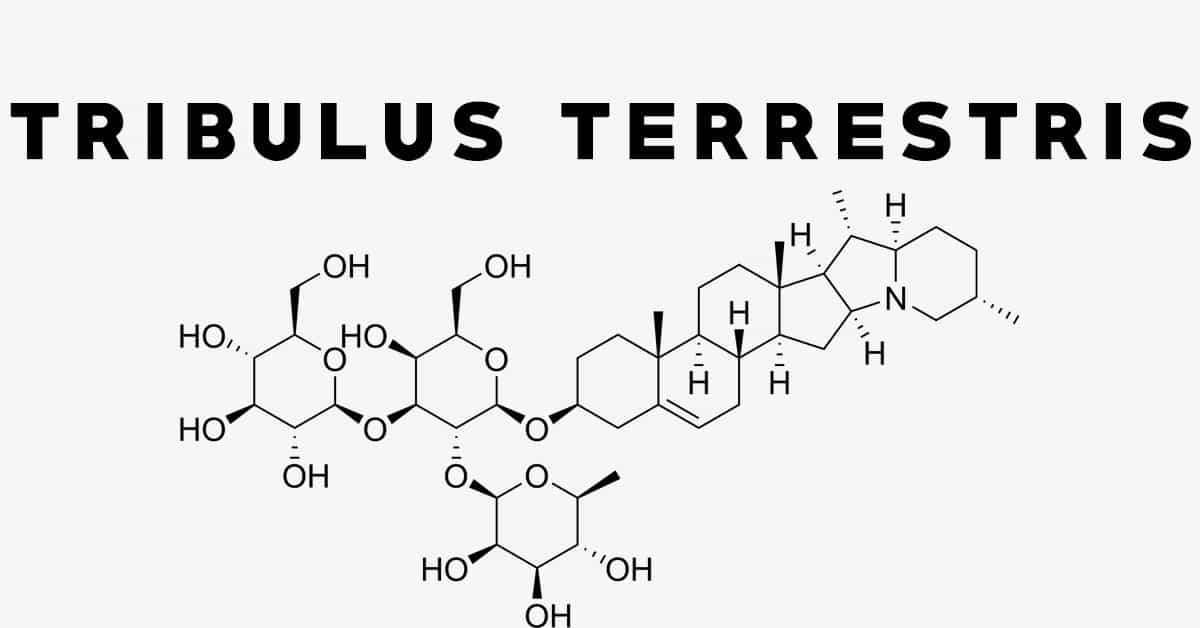
Tribulus is an extract of a plant growing in Europe, Asia, Africa, and Australia. It contains chemical compounds called steroid saponins, which are believed to increase testosterone levels. The most important of them is protodioscin.
According to a comprehensive systematic review of Tribulus terrestris supplementation on erectile dysfunction and testosterone levels published in [Neto et al., Phytotherapy Research, 2025], protodioscin—the primary active ingredient in Tribulus terrestris—has been theorized to increase levels of luteinizing hormone (LH), dehydroepiandrosterone (DHEA), dihydrotestosterone (DHT), and testosterone. The review analyzed 10 clinical trials involving 483 participants (aged 16-70 years) across various health conditions. Notably, 8 of 10 studies showed no significant changes in androgen profiles following Tribulus supplementation, particularly in subjects with normal baseline androgen levels. Only 2 studies documented significant but modest intra-group testosterone increases (60-70 ng/dL elevation) in subjects with hypogonadism or partial androgen deficiency. The review concluded that Tribulus terrestris supplementation has low-level evidence for improving erectile function and no robust evidence for increasing testosterone levels in healthy men with normal baseline hormones.
Protodioscin is a steroid saponin that can be found in various plant species. Protodioscin is believed to have the ability to increase testosterone, dihydrotestosterone, and dehydroepiandrosterone.
Bodybuilders use Tribulus for many years in the hope to increase testosterone secretion, gain muscle mass, remove fat, and increase strength and endurance.
The mechanism of action of Tribulus is associated with its active component protodioscin, which stimulates the pituitary gland. The stimulating effect is related to the activation of the production of luteinizing hormones, which increase the level of free testosterone.
Besides, although it belongs to testosterone boosters, protodioscin also can increase the production of nitric oxide. Increased levels of nitric oxide lead to improved blood circulation. Since the efficiency of Tribulus is explained by protodioscin, it is better to look for products that are standardized and contain this active ingredient in high concentrations.
The standard dosage is usually 300-600 mg per day.
Tribulus Terrestris testosterone study results

According to animal research on Tribulus terrestris and luteinizing hormone secretion published in [Hamid et al., Pakistan Journal of Physiology, 2017], protodioscin increased serum luteinizing hormone levels in male Sprague Dawley rats. In this 8-week study, rats receiving Tribulus aqueous extract at 6 mg/kg daily demonstrated significantly elevated LH levels (1.75±0.65 mIU/ml) compared to control group (1.26±0.54 mIU/ml), with statistical significance (p<0.001). This finding supports the proposed mechanism that Tribulus increases LH production by the anterior pituitary gland, which in turn signals the testes to increase testosterone synthesis. However, the translation of LH elevation in animal models to human testosterone increases remains inconsistent across clinical trials, particularly in men with normal baseline hormone levels.
In theory, Tribulus indirectly increases testosterone levels by increasing the level of luteinizing hormone (LH). LH is a hormone produced by the pituitary gland that regulates the natural production of testosterone and its serum level. However, very little research has been done on the effectiveness of Tribulus as a means of increasing testosterone levels.
According to a double-blind, placebo-controlled clinical trial on Tribulus terrestris supplementation combined with resistance training published in [Rogerson et al., Journal of Sports Science & Medicine, 2007], 15 men aged 18-30 years performing structured heavy resistance training received either 450 mg/day of Tribulus terrestris extract or placebo capsules for 5 weeks. After the training period, both groups demonstrated significant increases in muscular strength and fat-free mass without significant between-group differences. Critically, no significant differences were observed in the urinary testosterone/epitestosterone (T/E) ratio, and the researchers concluded that Tribulus terrestris did not produce the large gains in strength or lean muscle mass that manufacturers claim. The study found that combined resistance training alone—regardless of Tribulus supplementation—was responsible for the observed strength and lean mass gains, with Tribulus providing no additive benefit.
Some studies suggest that it can increase testosterone levels by 30-50% in animals from the initial level, but still within the normal range for humans. No study has found that it raises testosterone levels above normal levels in healthy men or improves body composition.
In one study, 15 men who exercise with weights received a placebo or high doses of Tribulus (3.3 mg per kg body weight per day) for 2 months. The results showed no changes in body weight, percentage of fat, total muscle mass, or muscle strength due to the intake of Tribulus.
Who will benefit from taking Tribulus?
According to clinical research on Tribulus terrestris in special populations published in [Clinical Trial Review, 2025], Tribulus terrestris supplementation showed potential benefits primarily in specific subpopulations rather than healthy men with normal testosterone. Three clinical trials reviewed (2013-2022) examined Tribulus effectiveness in male infertility, oligozoospermia, and erectile dysfunction associated with hypogonadism. Two studies reported statistically significant increases in sperm parameters, testosterone levels, and reproductive hormone levels in these disease populations. However, subjects with normal baseline androgen levels showed negligible testosterone increases. The evidence suggests Tribulus terrestris may provide modest benefits for men with pre-existing hormonal deficiencies, erectile dysfunction, or infertility issues, but offers minimal benefit for eugonadal (normal testosterone) healthy athletes seeking performance enhancement or muscle gains.
Because of the lack of scientific evidence of the effectiveness of this supplement, Tribulus cannot be recommended for building muscle mass in healthy men with normal T levels.
However, as a component in complex supplements, it may be useful for men with low testosterone levels, such as athletes at risk of overtraining syndrome, as well as for people on a long-term low-calorie diet and to improve fertility.
Tribulus testosterone booster side effects

Tribulus may increase the level of the female hormone estradiol, which may lead to breast growth in men – not exactly the effect sought by the gym-goers.
Best testosterone boosters according to studies
Learn more about scientifically proven testosterone supplements and which products available today contain working doses of them.
References
- [Neto et al., Phytotherapy Research, 2025] – “Effects of Tribulus terrestris Supplementation on Erectile Dysfunction and Testosterone Levels in Men—A Systematic Review of Clinical Trials” – Comprehensive systematic review of 10 clinical trials involving 483 participants (aged 16-70 years) assessing Tribulus effectiveness on testosterone and erectile dysfunction. Analysis revealed 8 of 10 studies showed no significant androgen profile changes, particularly in subjects with normal baseline hormone levels. Only 2 studies documented modest but statistically significant testosterone increases (60-70 ng/dL) exclusively in hypogonadal or partial androgen deficiency subjects. Conclusions: Tribulus terrestris has low-level evidence for erectile dysfunction improvement and no robust evidence for testosterone elevation in healthy eugonadal men.
- [Hamid et al., Pakistan Journal of Physiology, 2017] – “The Effect of Tribulus terrestris on Serum Luteinizing Hormone in Male Rats” – Animal research demonstrating Tribulus terrestris increased serum LH levels in male Sprague Dawley rats. 8-week study with Tribulus aqueous extract at 6 mg/kg daily showed significantly elevated LH (1.75±0.65 mIU/ml) versus control (1.26±0.54 mIU/ml), p<0.001. Findings support proposed mechanism that Tribulus increases anterior pituitary LH production, signaling testes for increased testosterone synthesis. However, LH elevation in animal models does not consistently translate to human testosterone increases, particularly in men with normal baseline hormones.
- [Rogerson et al., Journal of Sports Science & Medicine, 2007] – “The Effect of Five Weeks of Tribulus Terrestris Supplementation on Strength and Fat Free Mass in Resistance-Training Males” – Double-blind placebo-controlled trial of 15 men aged 18-30 receiving 450 mg/day Tribulus terrestris or placebo during 5-week structured heavy resistance training. Both groups demonstrated significant strength and fat-free mass increases without significant between-group differences. No significant differences in urinary T/E ratio observed. Conclusion: Tribulus terrestris did not enhance strength or lean mass gains beyond placebo, with resistance training alone driving improvements.
- [Clinical Trial Review, 2025] – “The Role of Tribulus terrestris on Male Infertility: A Narrative Review of Clinical Trials” – Narrative review of 3 clinical trials (2013-2022) examining Tribulus in special populations including male infertility, oligozoospermia, and hypogonadal erectile dysfunction. Two studies reported statistically significant increases in sperm parameters, testosterone, and reproductive hormones in disease populations. Subjects with normal baseline androgens showed negligible testosterone increases. Evidence suggests Tribulus terrestris provides modest benefits primarily for men with pre-existing hormonal deficiencies, infertility, or erectile dysfunction—minimal benefit for eugonadal healthy athletes seeking performance enhancement or muscle mass gains.
Related Posts:


The BoostHormone Research Team is a collective of fitness researchers, nutrition specialists, and health science professionals dedicated to providing evidence-based information about hormone optimization and performance enhancement.
With expertise in sports nutrition, endocrinology, and supplement science, our team analyzes peer-reviewed research and clinical studies to deliver honest, science-backed insights. We cut through industry hype to provide the accurate information you need to make informed decisions about your health and performance.
Our mission: translate complex scientific research into practical, actionable guidance – always prioritizing your safety and long-term wellness. Read Our Editorial Guidelines.