If you’ve ever gone into a Vitamin Shoppe or a GNC, you know that the different types and brands of supplements seem to be in an endless supply. The first question is what supplements for beginners should you consider taking? The next question is what brand should I use? This is generally a highly opinionated debate. Although, if you read the ingredient lists some components in supplements for workout stand out.
Then the question arises – “Which are the best natural bodybuilding supplements that work for beginners?” The problem with figuring this out is that to understand which supplement gets you the best bang for your buck, you truly have to understand how each nutrient works.
In this article, I will explain how some of the most important natural supplements work and therefore help narrow down the choices to a couple of brands. Without further ado, here are some of the most important workout supplements that very often you can find in top 10 lists. They do deserve this!
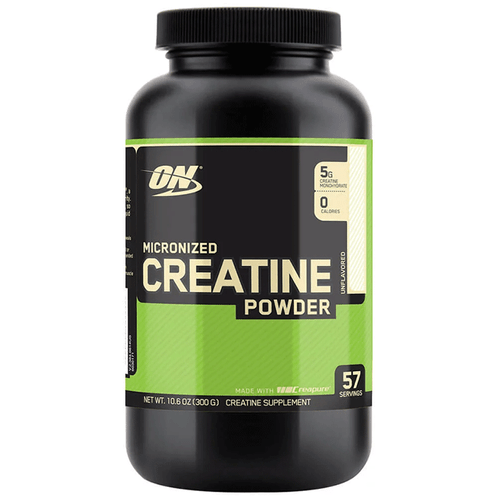
Creatine
If you’ve taken biology, you know that your body expends energy in two types. (If not, it’s super easy to understand.) Your body is more efficient when it uses oxygen to contract muscles. This is called aerobic. It tries to use this more often when it can. When you go on a long slow run, you are using aerobic training, which is often why running is considered cardio, since it works your heart muscles to pump the blood for better oxygen flow.
The problem is that super intense exercise such as lifting weights and high-intensity exercise requires your body to supply a consistent amount of oxygen to your cells. It can’t keep up and anaerobic processes kick in quickly. This is where creatine kicks in.
When your body is in anaerobic condition, it uses an energy source called ATP. The TP stands for tri-phosphate (3 phosphates). When your body uses ATP it takes away one of the phosphate groups and is left with ADP (Di-phosphate, or two). It’s essentially useless. Now creatine is a combination of three amino acids easily found in high-quality meats. This is hopefully converted into phosphocreatine. This is just fancy-smancy for saying it becomes usable to the body.
Imagine this scenario. You’re pumping out your last couple of reps for your heavy bench press. You are running out of ATP, and you can feel the lactic acid building up in your chest. Creatine is flowing around in your muscles and they bind to the ADP, creating ATP again. This means that you can work out in the anaerobic condition for a bit longer since you have more ATP to use.
The Science of Creatine
Now let’s use science to find which brand of creatine works the best. We know that creatine has to reach the muscles after digestion, and how would we do that? Well, the liquid forms of creatine are ineffective, so we can eliminate all of those.
Of the powder forms, you will find many different names and creatine that have things added to it. The truth is, although people will tell you that the glucose added creatine or blah blah works best, it’s just simply not true. Glucose will be prioritized by your system before creatine and therefore actually decrease absorption rates.
I say stick to creatine monohydrate. It’s the cheapest and most effective form of creatine. Even if it’s not the best creatine source, I can guarantee it is the most effective serving/price ratio creatine there is. Creatine monohydrate supplementation combined with resistance training has been demonstrated to increase lean body mass significantly.
According to a meta-analysis published in [Smith et al., Journal of the International Society of Sports Nutrition, 2024], creatine monohydrate supplementation combined with resistance training significantly increased upper-body strength (WMD = 4.43 kg, p < 0.001) and lower-body strength (WMD = 11.35 kg, p < 0.001) in adults under 50 years. The research demonstrates that participants consistently gained lean muscle mass during training periods when combined with creatine supplementation, making it one of the most researched and effective ergogenic aids available.
Even when you narrow it down to creatine monohydrate, there are about 1000000 brands out there. Which one? Well, I would say you can go to your local supplement store or Amazon and pick out any brand and you will have decent results. But if you want quality, I would suggest Creapure products (by AlzChem Trostberg GmbH) or any brand that uses purely Creapure, since they are known for their high-quality product produced in Germany, not some lab in China.
Don’t forget, creatine won’t do anything for you if you don’t work out hard every day and eat well! Health is the number one goal.
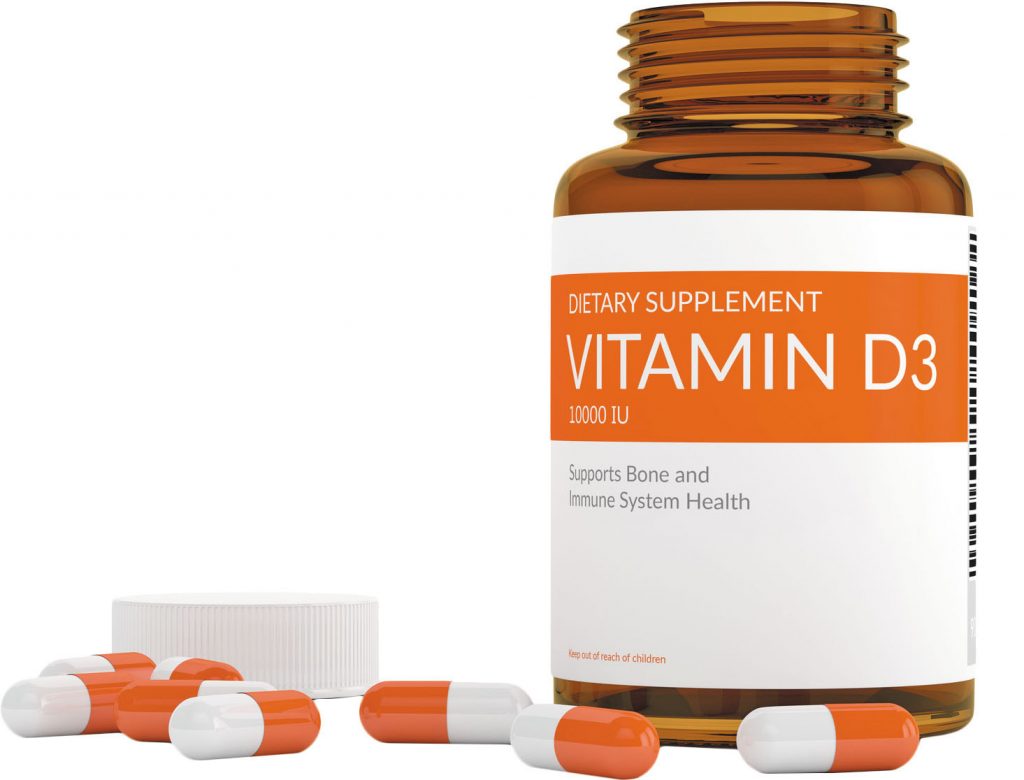
Vitamin D
Vitamin D is an interesting vitamin when talked about nutritionally. The thing is Vitamin D can be made in the body when you get sunlight. But the light has to be strong enough for you to absorb Vitamin D. Even on a sunny day, your body will only get Vitamin D from around 11:00-2:00p.m.
This means that for an average American working a 9:00 to 5:00 job, this will be almost impossible. This fact has led to over 42% (depends on the study used) of all Americans not get enough Vitamin D.
Let’s learn a little more about what type of Vitamin D is the best in the business and how it works. Vitamin D is actually the only vitamin that your body can make. The other vitamins must come exclusively from the food we eat. Vitamin D helps the body absorb Calcium, and also helps makes many other processes of the human body more efficient. Think of it as a catalyst where it just makes life easier for your body to hit peak performance.
According to research published in [Girgis & Heaney, Nature Reviews Endocrinology, 2017], vitamin D3 promotes myogenic differentiation in skeletal muscle-derived stem cells and enhances myotube formation. The study demonstrated that 1,25-dihydroxyvitamin D3 stimulates satellite cell proliferation and differentiation, with particular importance for muscle regeneration following injury. Additionally, vitamin D appears to modulate myogenic regulatory factors, supporting both muscle growth and recovery processes in resistance-trained individuals.
After taking Vitamin D3 (more on this later), your body eventually turns it into 25(OH)D, which are the levels doctors use to determine if you are getting enough daily.
At this point, you might be asking well what the hell is the point of taking vitamin D in terms of getting stronger? The thing is that Vitamin D is a hormone, and this “catalyst” can affect many of the processes that happen when synthesizing muscles, and some evidence exists that Vitamin D may help manage cholesterol, which in turn is used to make testosterone.
Research from [Girgis, Journal of Bone and Mineral Research Plus, 2021] shows that vitamin D receptor (VDR) expression in skeletal muscle tissue enables direct effects on muscle health. Without adequate vitamin D, intestinal calcium absorption drops to only 10-15% of dietary intake. When vitamin D status is sufficient, calcium absorption increases to 30-40%, which is essential for muscle contraction, protein synthesis, and optimal training adaptations. Additionally, vitamin D regulates intracellular calcium movement, affecting muscle cell hydration and anabolic signaling through the mTOR pathway.
The reason I recommend this so highly is that it can help maintain peak testosterone levels and keep you healthy at an amazing price.
The brand doesn’t matter since all Vitamin D3 is Vitamin D3.
HUGE WARNING: Don’t buy Vitamin D2. It’s the same price, and largely ineffective at boosting vitamin D levels.
When you go to your local Costco or Walmart, buy a huge bottle for like 6 bucks.
Multivitamin
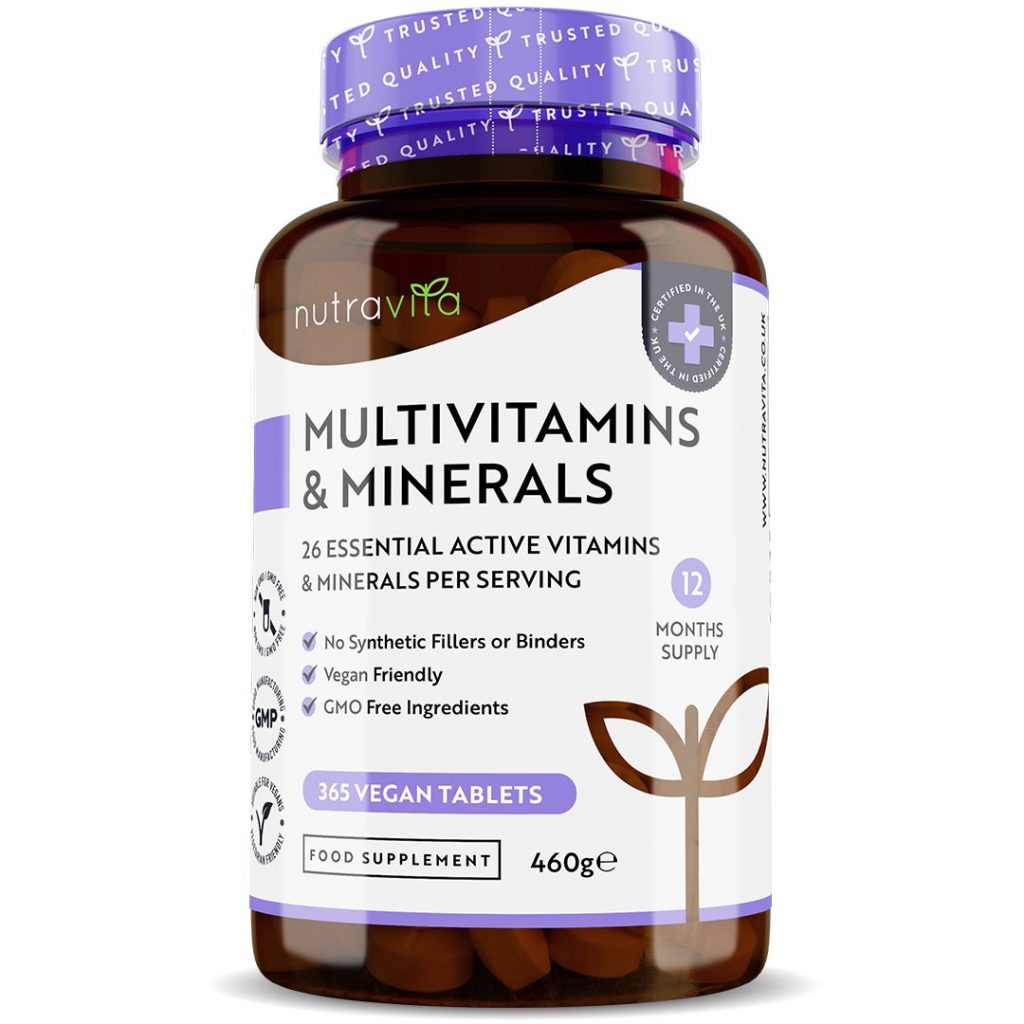
Now this one is pretty self-explanatory, but a multivitamin is great for getting in those vitamins that you might miss if you consistently eat similar foods to hit certain macros. One thing you should consider is how each vitamin affects each other, and how having a whole slew of vitamins thrown at your body at once isn’t always going to be the most effective way to take in nutrients.
According to a comprehensive review published in [Kaczorowski et al., Quality in Sport, 2024], magnesium and zinc are vital micronutrients that enhance athletic performance and muscle recovery. Magnesium deficiency can impair muscle function and reduce endurance, while zinc is essential for over 300 enzymatic reactions, protein synthesis, and hormonal balance. The research demonstrates that athletes with adequate zinc and magnesium levels show improved energy metabolism, better post-exercise recovery, and enhanced muscle repair compared to those with deficient micronutrient status.
I recommend buying a multivitamin at Costco or Amazon, just make sure they have zinc and magnesium since a lot of these don’t have them. Take it in the morning with your breakfast for the best absorption!
Get a good Multi and make sure to take it every day to enjoy those gains for a long life!
Protein
Protein is a very useful supplement as one of the best post workout nutrients. Unlike Vitamin D, it is very easy to get a good dose of it by eating the right foods. The problem is that tasty protein has lots of fat, and sometimes cooking isn’t the most convenient way for you to eat! It is at these times that a protein powder can come into play.
There are lots of protein powders available and they come along with a variety of forms and at different costs.
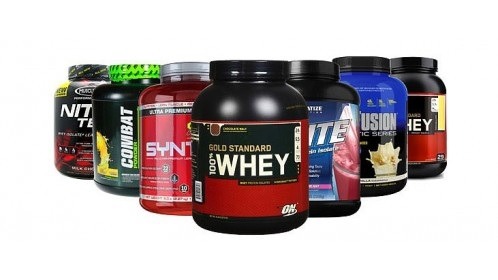
Multiple randomized controlled trials show that whey protein supplementation supports muscle recovery following resistance exercise. According to research published in [Gu et al., Brazilian Journal of Sports Medicine, 2023], whey protein consumption significantly decreases serum creatine kinase (CK) and lactate dehydrogenase (LDH) levels at 24-72 hours post-exercise. The meta-analysis across multiple studies demonstrates that whey protein doses of 30-40 grams per serving, particularly when consumed post-workout, accelerate tissue repair and elevate muscle protein synthesis, effectively reducing exercise-induced muscle damage markers.
*Results will vary from person to person.
References
- [Smith et al., Journal of the International Society of Sports Nutrition, 2024] – “Effects of Creatine Supplementation and Resistance Training on Muscle Strength Gains in Adults <50 Years of Age: A Systematic Review and Meta-Analysis” – Demonstrates that creatine monohydrate supplementation combined with resistance training significantly increases upper-body strength (WMD = 4.43 kg, p < 0.001) and lower-body strength (WMD = 11.35 kg, p < 0.001). The comprehensive meta-analysis of 23 clinical trials confirms creatine’s efficacy in enhancing lean body mass and muscular strength outcomes.
- [Girgis & Heaney, Nature Reviews Endocrinology, 2017] – “Vitamin D induces myogenic differentiation in skeletal muscle derived stem cells” – Provides mechanistic evidence that 1,25-dihydroxyvitamin D3 promotes satellite cell activation and myogenic differentiation. The research establishes vitamin D’s direct role in muscle regeneration and protein synthesis for both younger and aging populations.
- [Girgis, Journal of Bone and Mineral Research Plus, 2021] – “Vitamin D and Skeletal Muscle: Current Concepts From Cellular Studies to Clinical Implications” – Reviews the critical role of vitamin D in calcium homeostasis and muscle protein synthesis. Without adequate vitamin D status, intestinal calcium absorption drops to only 10-15%; with sufficient levels, absorption increases to 30-40%, essential for muscle function and training adaptations.
- [Kaczorowski et al., Quality in Sport, 2024] – “Magnesium and Zinc as Vital Micronutrients Enhancing Athletic Performance and Recovery” – Demonstrates that magnesium and zinc supplementation positively influences athletic performance, energy metabolism, and post-exercise recovery. The review synthesizes recent findings showing that adequate micronutrient status supports muscle repair, protein synthesis, and immune function.
- [Gu et al., Brazilian Journal of Sports Medicine, 2023] – “Role of whey protein in post-workout recovery” – A comprehensive meta-analysis showing that whey protein supplementation significantly decreases serum CK and LDH levels at 24-72 hours post-exercise. Whey protein doses of 30-40 grams per serving accelerate muscle protein synthesis and reduce exercise-induced muscle damage markers, supporting faster recovery.
- [International Society of Sports Nutrition, 2017] – “International Society of Sports Nutrition Position Stand: Creatine Supplementation and Exercise” – The official ISSN position states that creatine monohydrate is the most effective ergogenic supplement for increasing high-intensity exercise capacity and lean body mass during training. The position stand confirms creatine’s safety profile and recommends 0.3 g/kg/day for 5-7 days loading followed by 0.03 g/kg/day maintenance.
Related Posts:



The BoostHormone Research Team is a collective of fitness researchers, nutrition specialists, and health science professionals dedicated to providing evidence-based information about hormone optimization and performance enhancement.
With expertise in sports nutrition, endocrinology, and supplement science, our team analyzes peer-reviewed research and clinical studies to deliver honest, science-backed insights. We cut through industry hype to provide the accurate information you need to make informed decisions about your health and performance.
Our mission: translate complex scientific research into practical, actionable guidance – always prioritizing your safety and long-term wellness. Read Our Editorial Guidelines.