Peptides for Bodybuilding: Complete Guide to Growth Hormone, Muscle Building, and Recovery
Peptides are hormones produced by the pituitary gland, a small organ that is present in the neck just below the voice box and just above the eyes. The job of the pituitary gland is to secrete the hormones thyroxine, testosterone, and others which are essential in maintaining healthy muscles, tissues, and the overall wellbeing of an individual.
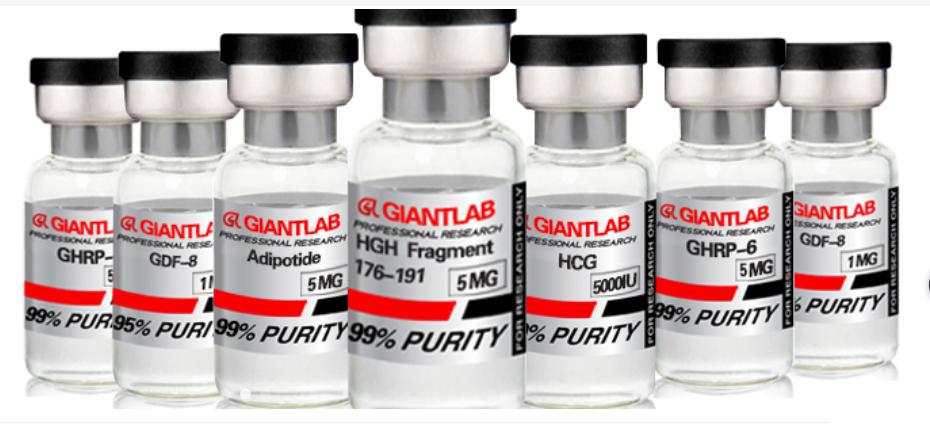
The role of these hormones in promoting muscle growth is what makes peptides important for bodybuilders. Several peptides have important physiological functions in humans including human growth hormone (HGH) and testosterone in combination with others. Some peptides have more impressive effects in terms of stimulating the significant secretion of the growth hormone, while others produce lesser effects.
According to comprehensive clinical research on growth hormone-releasing peptides published in [Bowers et al., OAText, 2015], growth hormone releasing peptides (GHRP) constitute a group of small synthetic peptides that stimulate growth hormone secretion and downstream axis activity. GHRPs activate two well-characterized peptidyl secretagogue receptors (GHSR 1a and CD36) broadly represented throughout the cardiovascular system and other tissues. Early clinical studies have established synthetic GHRP as promising candidates for both anabolic effects and broader cytoprotective benefits. These peptides work by stimulating the pituitary gland to release HGH, making them significantly more effective than natural amino acid supplementation alone.
Peptides that have stimulating effects on the growth hormone release are usually considered effective supplements for fat loss and cutting, while those that stimulate the secretion of testosterone are usually the best for muscle building purposes.
The secretion of HGH through the pituitary gland has a significant effect on muscle development and strength. This is because the higher the levels of HGH in the blood, the more calories a bodybuilder can consume without much difficulty. Some naturally occurring peptides increase HGH levels as well as provide other benefits to the bodybuilder.
Peptides benefits
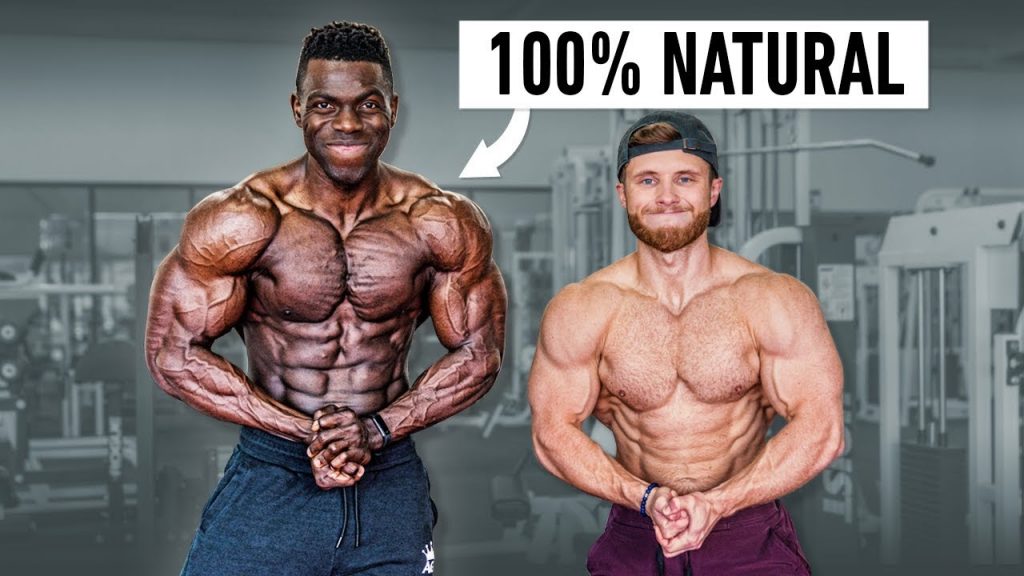
Many reviews from athletes indicate that peptides:
- Break down fat, remove toxins, and improve well-being;
- Shorten the recovery period after sports injuries and excessive training;
- Participate in the building of lean muscle mass
- Some reviews on peptides also show that they increase strength levels. It will be easier to endure intensive and cardio workouts.
According to clinical research on bioactive peptides in sports nutrition published in [König et al., Nutrients, 2021], bioactive peptides have demonstrated positive impacts on body composition changes and muscular performance. Collagen peptide studies showed that explosive force production was more rapidly restored in the collagen peptide group compared to control groups, with attenuated muscle soreness following strenuous exercise. Additionally, evidence for accelerated muscle recovery was observed following peptide ingestion. The collagen-derived dipeptide hydroxyprolyl-glycine (Hyp-Gly) induces myotube hypertrophy by activating anabolic signaling pathways such as PI3K/Akt/mTOR, potentially facilitating accelerated contractile machinery recovery and force restoration following exercise-induced muscle damage.
Physician reviews of using peptides
- Regulators help to strengthen cartilage and joints, which is especially important during the periods of intense muscle and tubular bone growth (which is important when taking growth hormone or somatotropin cycle);
- Strengthen the immune system, which makes you more resistant to external negative factors during preparations for competitions or while recovering from illness;
- Improve the metabolism, which leads to a comprehensive cleansing of the body of toxins, fats, and detoxes.
Peptides can also cause drowsiness and weakness. If you do not follow the instructions of the drug and do not consult a doctor about the duration of the cycle.
Ordinary people who have taken peptide regulators note that they
- Slow down the aging process, have a rejuvenating effect. The skin becomes firm and radiant. The effect lasts for several months;
- Contribute to effective weight loss
- They participate in the production of melanin, due to which the skin gets beautiful and even tan. This is especially important for bodybuilders preparing for competitions;
- Increase the physical activity endurance;
- Normalize sleep and mental health – it becomes easier to endure difficult life situations, it copes with depression and apathy without psychotropic drugs.
It is important to understand that the effect of peptides extends to many metabolic processes. Someone notes an increase in appetite while the others mild nausea. In this case, you can combine bioregulators with other supplements or adjust the dosage of the drug.
Amino-acids found in peptides
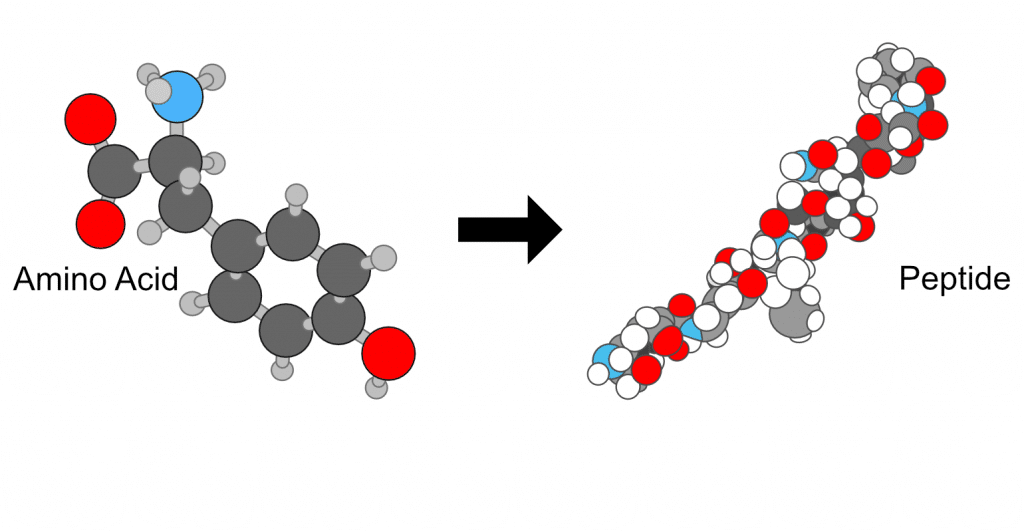
One of the most commonly used amino-acids in sports supplements is L-Arginine, which is produced by the liver. It is found in foods such as meat, dairy products, fish, and some legumes. Interestingly, research studies have revealed that there is a relationship between elevated intake of this amino acid and increased growth hormone production.
According to a comprehensive meta-analysis on L-Arginine and growth hormone secretion published in [Goli et al., Frontiers in Nutrition, 2022], L-arginine supplementation alone produced significant effects on GH release (MD = 10.07, 95% CI: 7.87, 12.28). Moreover, the response of GH was substantially greater when L-arginine was combined with GHRH (MD = 24.96, 95% CI: 17.51, 32.42). A combination of L-arginine (1.5 g) with L-lysine (1.5 g) produced a 2.7-fold increase in plasma GH levels 60 minutes after intake. More remarkably, young males taking 1.2 g of arginine and 1.2 g of lysine experienced plasma GH levels peak at nearly 8-fold higher 90 minutes after ingestion. Additionally, a combination of arginine and lysine led to a 5-fold increase in GH compared with arginine alone.
As a result, researchers have come up with several different arginine peptides and have tried to determine which one has the best effect in promoting growth hormone release.
Another amino-acid with stimulating effects found in peptides is Glycine, which is found in milk, cheese, chicken, and some vegetables. It plays an important role in regulating food consumption by slowing down the emptying process of the stomach, reducing body fat, and stimulating nutrient absorption.
According to research on amino acids as growth hormone-releasing agents published in [Chromiak & Sclafani, Nutrition, 2002], specific amino acids including arginine, lysine, ornithine, and other amino acids have been shown to cause significant increases in circulating GH levels (approximately 2- to 22-fold in some studies). Intravenous administration of ornithine has been found to stimulate GH release, and oral arginine administration resulted in increased GH concentrations. The research confirms that these amino acids work through different mechanisms: arginine encourages GH release by inhibiting endogenous somatostatin secretion, while other amino acids such as phenylalanine, tyrosine, and histidine have also demonstrated significant GH elevation capabilities.
Other important peptides include glutamine, lysine, arginine hydrochloride. These compounds have been proven to decrease body fat by increasing energy expenditure, decreasing body fat, and enhancing metabolism.
According to clinical trial research on collagen peptide supplementation published in [Kuwaba et al., Frontiers in Nutrition, 2023], dietary collagen peptides (CPs) alleviated exercise-induced muscle soreness and fatigue in middle-aged healthy males over a 33-day study period. Participants receiving 10 g of collagen peptides daily showed significantly reduced myoglobin (MYO), creatine kinase (CK), and lactate dehydrogenase (LDH) activity levels, indicating improved post-exercise recovery and reduced muscle damage markers. Additionally, a 12-week concurrent training study demonstrated that 15 g daily SCP supplementation significantly decreased acute markers of exercise-induced muscle damage and improved early phase post-exercise regenerative capacity. The research indicates that collagen peptides improve the structural integrity of muscle and extracellular matrix during training and accelerate membrane and cytoskeletal protein repair.
Some peptides have impressive muscle-building properties, while others are highly useful in relieving common everyday aches and pains and easing joint and tendon stiffness. There are a lot of different amino acids that have different applications.
Each one works differently in different bodybuilding situations. To get the best peptides for bodybuilding you have to choose the ones that will give you the right results. Don’t forget to check the label when buying supplements so you’ll know exactly which type of amino acid you’re getting.
Now that you know what peptide can do for you, you can check many reviews of different peptides for different goals (muscle building, cutting, fat loss…) in our bodybuilding peptides section of the site.
References
- [Bowers et al., OAText, 2015] – “Growth hormone releasing peptide-6 (GHRP-6) and other related secretagogue synthetic peptides: A mine of medical potentialities for unmet medical needs” – Comprehensive review establishing that growth hormone-releasing peptides (GHRP) constitute a group of small synthetic peptides that stimulate GH secretion and downstream axis activity. GHRPs activate peptidyl secretagogue receptors (GHSR 1a and CD36) broadly represented in cardiovascular and other tissues. The research demonstrates synthetic GHRP as promising candidates for anabolic effects and cytoprotective benefits through direct pituitary gland stimulation.
- [König et al., Nutrients, 2021] – “Potential Relevance of Bioactive Peptides in Sports Nutrition” – Clinical research demonstrating bioactive peptides have positive impacts on body composition changes and muscular performance. Collagen peptide studies showed explosive force production was more rapidly restored in the collagen peptide group versus controls, with attenuated muscle soreness following strenuous exercise and accelerated muscle recovery. Collagen-derived dipeptide hydroxyprolyl-glycine (Hyp-Gly) induces myotube hypertrophy via anabolic signaling (PI3K/Akt/mTOR), facilitating accelerated contractile machinery recovery and force restoration following exercise-induced muscle damage.
- [Goli et al., Frontiers in Nutrition, 2022] – “Growth Hormone Response to L-Arginine Alone and With GHRH” – Meta-analysis showing L-arginine supplementation alone produced significant GH release effects (MD = 10.07, 95% CI: 7.87, 12.28). Combined with GHRH, GH response was substantially greater (MD = 24.96, 95% CI: 17.51, 32.42). L-arginine (1.5 g) combined with L-lysine (1.5 g) produced 2.7-fold plasma GH increase 60 minutes post-intake. Males taking 1.2 g each arginine and lysine experienced plasma GH peak at 8-fold higher at 90 minutes post-ingestion. Arginine plus lysine combination produced 5-fold GH increase versus arginine alone.
- [Chromiak & Sclafani, Nutrition, 2002] – “Use of amino acids as growth hormone-releasing agents by athletes” – Research establishing specific amino acids (arginine, lysine, ornithine, phenylalanine, tyrosine, histidine) cause significant circulating GH increases (2- to 22-fold in studies). Intravenous ornithine stimulates GH release; oral arginine increases GH concentrations. Arginine stimulates GH release by inhibiting endogenous somatostatin secretion. Multiple amino acids work through different mechanisms to elevate GH through their effects on hypothalamic-pituitary signaling.
- [Kuwaba et al., Frontiers in Nutrition, 2023] – “Dietary collagen peptides alleviate exercise-induced muscle soreness and fatigue and affect muscle strength after exercise load in healthy middle-aged males” – Clinical trial demonstrating dietary collagen peptides (10 g daily over 33 days) alleviated exercise-induced muscle soreness and fatigue. Participants showed significantly reduced myoglobin (MYO), creatine kinase (CK), and lactate dehydrogenase (LDH) activity, indicating improved recovery and reduced muscle damage markers. Twelve-week concurrent training with 15 g daily SCP supplementation significantly decreased acute muscle stress markers and improved early phase post-exercise regeneration, improving structural integrity of muscle and extracellular matrix.
Related Posts:

The BoostHormone Research Team is a collective of fitness researchers, nutrition specialists, and health science professionals dedicated to providing evidence-based information about hormone optimization and performance enhancement.
With expertise in sports nutrition, endocrinology, and supplement science, our team analyzes peer-reviewed research and clinical studies to deliver honest, science-backed insights. We cut through industry hype to provide the accurate information you need to make informed decisions about your health and performance.
Our mission: translate complex scientific research into practical, actionable guidance – always prioritizing your safety and long-term wellness. Read Our Editorial Guidelines.