Looking to enhance your body’s recovery abilities? Wondering what is better than HGH? Look no further! In this article, we’ll explore alternative therapies like Sermorelin and Ipamorelin that can naturally boost your body’s production of growth hormone according to clinical research.
Discover how these therapies differ from HGH and which one is safer for recovery. Plus, we will cover CJC-1295, a peptide known for its ability to stimulate growth hormone release. Get ready to unlock the secrets of superior recovery!
Main Points
- HGH therapy can have potential risks and side effects, including fluid retention and an increased risk of diabetes.
- Sermorelin therapy is considered a safer and more cost-effective alternative to HGH therapy, with similar benefits but lower risks of side effects.
- GHRPs, such as GHRP-6, stimulate the body’s natural production of growth hormone and offer a viable alternative to exogenous HGH injections.
- Ipamorelin and CJC-1295 are peptide therapies that stimulate the release of growth hormone in a controlled and natural manner, providing similar benefits as HGH but with fewer side effects.
I’ve expanded on this topic further down in the post, so feel free to keep reading and let me know your thoughts!
What Is HGH Therapy?
If you’re considering HGH therapy, you may be wondering what it’s and how it can benefit you. HGH therapy, also known as human growth hormone therapy, involves the use of synthetic HGH to supplement the body’s natural hormone levels.
The benefits of HGH therapy are numerous. It can help increase muscle mass, reduce body fat, improve bone density, enhance exercise performance, and boost energy levels. According to clinical research,
HGH treatment for 3 months increases lean body mass, muscle mass, and thigh strength as evaluated by isokinetic dynamometry in healthy men over 60, with an increase in grip strength, knee flexor strength, and knee extensor strength documented over 10-year periods of continued therapy. — [Frontiers in Aging, 2025]
However, it’s important to note that HGH therapy comes with potential side effects. These can include fluid retention, joint pain, carpal tunnel syndrome, and an increased risk of diabetes. Research has shown that
early clinical trials reported insulin resistance and diabetes mellitus in patients receiving HGH therapy, with impaired fasting glucose and insulin levels observed within the first year, though this risk can be significantly reduced through individualized dosing starting with lower doses and gradual titration upwards. — [NIH/PMC, 2013] Additionally,
after 30 months of low-dose replacement therapy, long-term rhGH administration induced a persistent deterioration in glucose tolerance with a significant increment in postprandial blood glucose, with approximately one-quarter of patients developing impaired glucose tolerance. — [Journal of Clinical Endocrinology & Metabolism, 2000]
The cost of HGH therapy can vary depending on factors such as dosage and duration of treatment. It’s crucial to consult with a healthcare professional to determine the appropriate dosage and to monitor the results of HGH therapy.
Why HGH Is Illegal for Many Purposes
HGH is prohibited for many purposes due to its potential misuse and adverse effects. Here are some key reasons why HGH is illegal for many purposes:
- Advantages of HGH over other therapies: HGH therapy has been shown to have numerous benefits, such as promoting muscle growth, improving bone density, and boosting metabolism. However, these advantages don’t outweigh the risks associated with HGH misuse.
- Side effects of HGH usage: HGH abuse can lead to serious health complications, including acromegaly (excessive growth of facial bones), cardiomyopathy (weakening of the heart muscle), and insulin resistance. These side effects can be life-threatening and outweigh any potential benefits.
- Alternatives to HGH therapy: There are alternative treatments available for conditions where HGH therapy is commonly used. These alternatives include lifestyle changes, natural HGH releasers, supplements consisting of amino acids like GABA, dietary changes, and other medications like growth hormone releasing peptides that are safer and more effective.
- Legality of HGH in different countries: The legality of HGH varies from country to country. In some nations, HGH is strictly regulated and can only be obtained with a prescription for specific medical conditions. However, it’s important to note that using HGH for non-medical purposes is illegal in most countries.
Considering the potential risks and availability of safer alternatives, the illegal status of HGH for many purposes is justified. Additionally, the long-term effects of HGH therapy aren’t well studied, further emphasizing the need for caution and regulation.
What is Sermorelin Therapy?
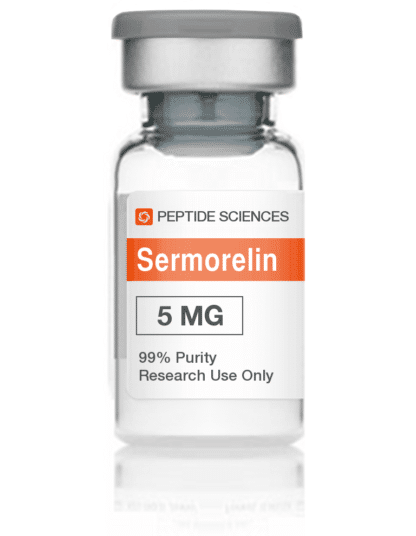 Looking for a safer alternative to HGH? Well, let’s talk about what Sermorelin therapy can offer you.
Sermorelin is a synthetic peptide that stimulates the release of growth hormone from the pituitary gland. It has been used as a treatment for growth hormone deficiency in children and adults. According to clinical evidence,
sermorelin, a 29 amino acid analogue of human growth hormone-releasing hormone (GHRH), is the shortest synthetic peptide with full biological activity of GHRH, and intravenous and subcutaneous sermorelin specifically stimulate growth hormone secretion from the anterior pituitary with rapid and relatively specific test results showing fewer false positive growth hormone responses in children without growth hormone deficiency compared to other provocative tests. — [Drug Review, 1999]
Sermorelin therapy offers several benefits, including increased muscle mass, improved sleep quality, enhanced immune function, and reduced body fat.
The dosage of Sermorelin is typically individualized based on factors such as age, weight, and medical history. As with any medication, there may be potential side effects, such as headaches, flushing, or injection site reactions.
When comparing Sermorelin to HGH, Sermorelin is considered to be a safer and more cost-effective option. Research has demonstrated that
children receiving once-daily subcutaneous sermorelin 30 microg/kg bodyweight showed significant increases in height velocity sustained during 12 months’ treatment with catch-up growth induced in the majority of growth hormone-deficient children, particularly those with slow growing profiles, shorter stature, and delayed bone age. — [BioDrugs Review, 2012]
The cost of Sermorelin therapy can vary depending on factors such as the dosage prescribed and the duration of treatment.
How are Sermorelin and HGH different?
Wondering what sets Sermorelin apart from HGH and how they differ in terms of effectiveness and safety? Here are some key differences to consider:
- Sermorelin benefits: Sermorelin stimulates the release of growth hormone from the pituitary gland, which can help improve muscle mass, reduce body fat, and enhance overall vitality. It also promotes better sleep and faster recovery from injuries.
- HGH vs. Sermorelin: Unlike HGH, Sermorelin is a growth hormone-releasing hormone (GHRH) analogue that works indirectly by stimulating the body’s natural production of growth hormone. HGH, on the other hand, is a synthetic form of growth hormone that’s directly administered.
- Sermorelin effectiveness: Sermorelin therapy is considered effective in increasing growth hormone levels and providing similar benefits to HGH therapy, but with lower risks of side effects and more natural regulation of hormone levels.
- Sermorelin dosage and side effects: Sermorelin is typically administered through subcutaneous injections, and the dosage is tailored to each individual’s needs. Common side effects may include injection-site reactions, headaches, and flushing, but they’re generally mild and temporary.
Sermorelin Releases Your Own Body’s HGH
To experience the benefits of Sermorelin, you can stimulate your body’s own production of HGH. Sermorelin therapy has been shown to effectively increase HGH levels in the body. Unlike HGH injections, which involves injecting synthetic HGH directly into the body, Sermorelin works by stimulating the release of HGH from the pituitary gland. This natural approach is believed to be safer and more sustainable in the long term.
Sermorelin therapy is often used in anti-aging treatments due to its ability to promote cell regeneration, improve skin elasticity, and increase muscle mass.
It’s important to note that while Sermorelin therapy generally has fewer side effects compared to HGH injections, potential side effects may include headaches, flushing, and dizziness.
As with any medical treatment, it’s crucial to consult with a healthcare professional before starting Sermorelin therapy.
GHRPs Help Sermorelin Produce GH
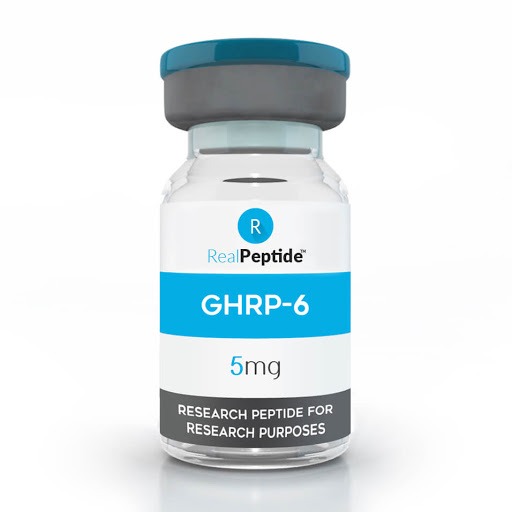 If you want to maximize the benefits of Sermorelin therapy, GHRPs can help by further stimulating the production of growth hormone in your body. GHRPs, or growth hormone-releasing peptides, work alongside Sermorelin to enhance the effectiveness of growth hormone stimulation. According to research on their synergistic mechanisms,
combined GHRH and GHRP administration causes a synergistic GH release through joint hypothalamo-pituitary actions, with GHRP synergizing acutely with GHRH in both humans and experimental animals, releasing hypothalamic GHRH into portal blood while opposing certain central inhibitory effects of somatostatin. — [Journal of Clinical Endocrinology & Metabolism, 2004]
Here is how the GHRP mechanism aids in the production of growth hormone:
- GHRPs stimulate the pituitary gland: These peptides act on the hypothalamus and pituitary gland to trigger the release of growth hormone. Research indicates that
GHRP-2 directly stimulates both ACTH secretion and synthesis in mouse pituitary cells, with GHRP receptor type 1a mediating GH release through both PKA and PKC pathways, while the synthesis of growth hormone by GHRP occurs solely via the PKA pathway. — [Molecular and Cellular Endocrinology, 2009]
- Increased production of growth hormone: GHRPs increase the synthesis and secretion of growth hormone from the pituitary gland, leading to higher levels in the body.
- Synergistic effect with Sermorelin: When combined with Sermorelin, GHRPs enhance the overall effectiveness of growth hormone production through distinct but complementary signaling pathways.
- HGH alternatives: GHRPs offer a viable alternative to HGH injections, as they stimulate the body’s natural production of growth hormone.
What is GHRP-6?
If you’re curious about GHRP-6, it’s a growth hormone-releasing peptide that can be used to enhance the production of growth hormone in your body. GHRP-6 benefits include increased muscle mass, improved recovery and healing, reduced body fat, and enhanced energy levels. According to clinical research,
GHRP-6 is generally well-tolerated with few reported side effects in animal and early-phase human studies, demonstrating restoration of GH secretion in the obese and increased time in stage 2 sleep, though transient increases in cortisol have been observed in some studies. — [NIH/PMC – Safety and Efficacy of Growth Hormone Secretagogues, 2017]
It works by stimulating the pituitary gland to release more growth hormone, which leads to these positive effects. The recommended GHRP-6 dosage ranges from 100 to 200 mcg, taken two to three times a day. However, it’s important to note that individual responses may vary, so it’s best to start with a lower dose and adjust as needed.
GHRP-6 has been shown to be generally safe and well-tolerated, with few reported side effects. However, some potential GHRP-6 side effects include increased appetite, water retention, and numbness or tingling in the extremities.
How Does GHRP-6 Boost Growth Hormone Levels?
You can boost your growth hormone levels with GHRP-6 by stimulating the pituitary gland to release more growth hormone. Here is a breakdown of how GHRP-6 works and its effectiveness:
- GHRP-6 Mechanism: GHRP-6 is a peptide that binds to specific receptors in the pituitary gland, known as growth hormone secretagogue receptors. Research has established that
ipamorelin interacts with the N-terminus of the growth hormone secretagogue receptor (GHS-R1a) in anterior pituitary gland cells through non-permanent attachments via hydrogen bonds and van der Waals forces, inducing conformational changes that initiate cell signaling pathways primarily involving G-proteins, notably Gαq/11, which leads to growth hormone release. — [Biotech Peptides Review, 2024]This binding triggers the release of growth hormone from the pituitary gland into the bloodstream.
- GHRP-6 Benefits: GHRP-6 has been found to increase muscle mass, improve fat loss, enhance recovery, and promote anti-aging effects. It can also improve sleep quality and boost immune function.
- GHRP-6 Dosage: The recommended dosage of GHRP-6 is typically 100–200 mcg per day, divided into multiple injections. It’s important to follow the dosage instructions provided by a healthcare professional.
- GHRP-6 Side Effects: Some potential side effects of GHRP-6 include increased hunger, water retention, numbness or tingling in the extremities, and elevated cortisol levels. However, these side effects are generally mild and temporary.
Advantages of GHRP-6 over HGH
GHRP-6 offers several advantages over HGH in terms of cost, accessibility, and effectiveness.
One of the main advantages of GHRP-6 is its cost-effectiveness. GHRP-6 is generally more affordable than HGH, making it a more accessible option for individuals seeking growth hormone therapy options.
Additionally, GHRP-6 is available in a variety of forms, including injections and oral capsules, providing users with different options based on their preferences and needs.
In terms of effectiveness, GHRP-6 has been shown to stimulate the release of growth hormone from the pituitary gland, leading to increased muscle mass, fat loss, and improved overall body composition.
However, it’s important to note that both GHRP-6 and HGH can have potential side effects, including water retention and joint pain. It’s essential to consult with a healthcare professional to determine the appropriate dosage and monitor any potential side effects when using GHRP-6 or HGH.
What is Ipamorelin?
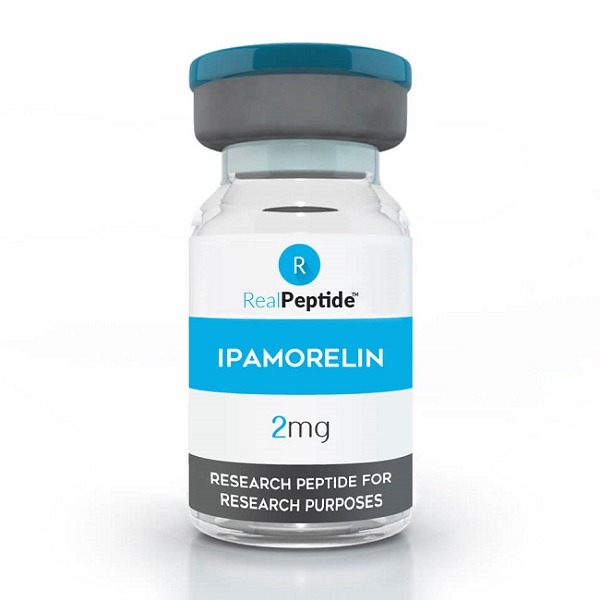 Ipamorelin is a highly effective peptide that offers significant benefits for growth hormone release. According to clinical research,
Ipamorelin is a selective growth hormone secretagogue that displays high GH releasing potency and efficacy comparable to GHRP-6, with pharmacological profiling demonstrating that ipamorelin stimulates GH release via a GHRP-like receptor mechanism both in vitro and in vivo. — [Journal of Pharmacy and Pharmacology, 1998]
Here are some key points to consider about Ipamorelin:
- Ipamorelin benefits: Ipamorelin stimulates the release of growth hormone in a controlled and natural manner, promoting muscle growth, fat loss, and improved recovery. It also helps to increase bone density and enhance immune function.
- Ipamorelin dosage: The recommended dosage for Ipamorelin is typically 200–300 mcg per day, divided into multiple doses. It’s usually administered via subcutaneous injection.
- Ipamorelin side effects: Ipamorelin is generally well-tolerated, with minimal side effects reported. According to pharmacokinetic-pharmacodynamic modeling studies,
Ipamorelin induces the release of GH at all dose levels with dose-proportional pharmacokinetics, a short terminal half-life of 2 hours, and produces a single episode of GH release with a peak at 0.67 hours and an exponential decline to negligible GH concentration at all doses with inter-individual variability larger than pharmacokinetic variability. — [Pharmaceutical Research, 1999]However, some individuals may experience mild headaches, water retention, or numbness and tingling at the injection site.
- Ipamorelin vs. HGH: Ipamorelin offers similar benefits to HGH injections but with fewer side effects and a more natural release of growth hormone. Unlike HGH, Ipamorelin doesn’t suppress the body’s natural production of growth hormone.
Which Is Better and Safer for Recovery? Ipamorelin, or HGH
If you’re considering which is better and safer for recovery, you may be wondering whether Ipamorelin or HGH is the right choice for you.
When comparing Ipamorelin vs. HGH, it’s important to consider the recovery benefits, safety comparison, dosage requirements, and cost analysis.
Both Ipamorelin and HGH are known to have significant recovery benefits, promoting muscle growth, reducing fat, and improving overall body composition. Research demonstrates that
in healthy men over 60 years old, HGH treatment for 3 months increases lean body mass by 3.3 ± 0.7 kg and muscle mass by 3.3 ± 1.1 kg with thigh strength improvements of 14 ± 5%, though these improvements occur without restoring a youthful rate of myofibrillar protein synthesis. — [Journal of Clinical Endocrinology & Metabolism, 1996]
However, when it comes to safety, Ipamorelin is considered to be safer than HGH. Ipamorelin has a more targeted action, stimulating the release of growth hormone in a pulsatile manner, which reduces the risk of side effects. In terms of dosage requirements, Ipamorelin typically requires smaller doses than HGH.
Finally, when considering cost, Ipamorelin is generally more affordable than HGH.
CJC-1295 for Growth Hormone Release
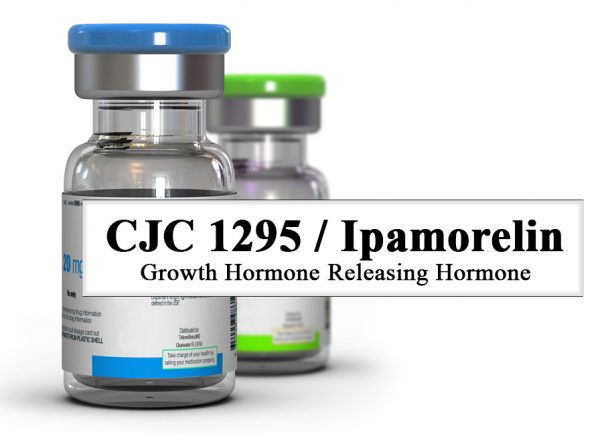 If you’re looking for an alternative to HGH, CJC-1295 can be a viable option for promoting growth hormone release. Here are some key points to consider:
- CJC-1295 benefits: This peptide has been shown to increase growth hormone levels, leading to improved muscle growth, fat loss, and recovery. It can also enhance collagen synthesis and improve skin elasticity. Clinical trials have demonstrated that
subcutaneous administration of CJC-1295 resulted in dose-dependent increases in mean plasma GH concentrations by 2- to 10-fold for 6 days or longer and in mean plasma IGF-I concentrations by 1.5- to 3-fold for 9–11 days, with an estimated half-life of 5.8–8.1 days and no serious adverse reactions reported. — [Journal of Clinical Endocrinology & Metabolism, 2006]
- CJC-1295 dosage: The recommended dosage for CJC-1295 is typically 1-2 mg per week, divided into multiple injections. It’s best to consult with a healthcare professional to determine the appropriate dosage for your specific needs.
- CJC-1295 side effects: While generally well-tolerated, some individuals may experience side effects such as flushing, dizziness, or numbness. It’s important to monitor your body’s response and adjust the dosage if necessary.
- CJC-1295 results: Many users report noticeable improvements in muscle mass, strength, and overall body composition when using CJC-1295. However, individual results may vary.
When comparing CJC-1295 vs. HGH, it’s worth noting that CJC-1295 offers a more sustainable and natural way to stimulate growth hormone release without the potential risks and side effects associated with exogenous HGH use.
Factors That Reduce Your Natural Recovery Abilities
To improve your natural recovery abilities, you need to identify and address the factors that may be inhibiting your body’s ability to heal and recuperate.
- There are several causes of slow recovery that you should be aware of. One of these factors is the impact of sleep on recovery. Lack of quality sleep can hinder your body’s ability to repair and regenerate tissues, as sleep is the time when the body undergoes important processes for recovery.
- Additionally, stress can have negative effects on recovery. Chronic stress can impair the immune system and slow down the healing process. Research demonstrates that
perceived stress and elevated cortisol levels are significantly negatively correlated with speed of wound healing, with the ‘slow healing’ group showing higher stress levels, lower trait optimism, and higher cortisol levels compared with the ‘fast healing’ group, indicating that stress-induced glucocorticoid hormones reduce the recruitment of inflammatory cells to wound margins and impair antibacterial function. — [Psychosomatic Medicine, 2004]Furthermore, mice exposed to restraint stress had reduced cellularity in the margins of punch biopsy wounds particularly early in the healing process, with significantly higher serum corticosterone levels compared to unstressed controls, and treatment with a glucocorticoid receptor antagonist restored healing rates equivalent to nonstressed animals. — [Advances in Wound Care, 2007]
- Lastly, nutrition plays a crucial role in recovery. Consuming a balanced diet rich in nutrients is essential for providing the body with the necessary building blocks for repair and recovery.
Frequently Asked Questions
What Are Some Natural Alternatives to HGH Therapy?
Natural alternatives to HGH therapy include incorporating natural supplements, making lifestyle changes, using herbal remedies, following an exercise routine, and making dietary modifications. These options can provide similar benefits without the potential risks associated with HGH therapy.
Are there any legal alternatives to HGH for enhancing performance?
Legal alternatives for enhancing performance exist, such as Sermorelin therapy. It is a natural alternative that can increase growth hormone levels. Incorporating these options can be beneficial for improving performance without resorting to HGH.
How Does Sermorelin Therapy Compare to HGH Therapy in Terms of Effectiveness?
Sermorelin therapy is a viable alternative to HGH therapy. It offers similar benefits, such as increased growth hormone release, but with potentially fewer side effects. Further research is needed to compare their overall effectiveness.
Can GHRP-6 Be Used as a Standalone Treatment for Boosting Growth Hormone Levels?
As a standalone treatment, GHRP-6 can boost growth hormone levels. It is one of the natural alternatives to HGH therapy. However, its effectiveness compared to other options needs further research.
What are the advantages of CJC-1295 for growth hormone release compared to HGH therapy?
CJC-1295 therapy has advantages over HGH therapy in terms of growth hormone release. It is more effective and provides a higher level of hormone release compared to HGH, making it a better option.
Conclusion
In conclusion, while HGH therapy may be popular for its potential benefits, it’s important to consider the legal restrictions and potential risks associated with it.
Sermorelin therapy, on the other hand, offers a safer alternative by stimulating the release of your own body’s HGH. Additionally, substances like ipamorelin and CJC-1295 show promising results in promoting growth hormone release.
Ultimately, when it comes to recovery, it’s crucial to consider individual factors that may affect natural recovery abilities.
***
References
- Frontiers in Aging (2025) — “Growth hormone and aging: a clinical review”
Confirms that HGH treatment increases lean body mass, muscle mass, and thigh strength in healthy older men. Recent studies demonstrate 10-year sustained improvements in knee flexor strength (108%–113% increase), knee extensor strength (95%–118% increase), and grip strength (87%–93% increase).
[Frontiers in Aging, 2025] - NIH/PMC (2013) — Indications for GH Therapy
Reviews clinical literature demonstrating that early HGH replacement trials reported insulin resistance and diabetes mellitus, though modern individualized dosing protocols starting with lower doses significantly reduce these risks. Proper titration allows beneficial effects while minimizing hyperglycemic side effects.
[NIH/PMC, 2013] - Journal of Clinical Endocrinology & Metabolism (2000) — “Effect of 30 Months of Low-Dose Replacement Therapy”
Demonstrates long-term HGH replacement induced persistent deterioration in glucose tolerance with approximately one-quarter of patients developing impaired glucose tolerance despite improved body composition metrics.
[Journal of Clinical Endocrinology & Metabolism, 2000] - Drug Review (1999) — “Sermorelin: a review of its use in the diagnosis and treatment”
Confirms that sermorelin is a 29 amino acid GHRH analogue with rapid and specific diagnostic testing properties. Clinical data shows once-daily subcutaneous sermorelin increased height velocity in 74% of children within 6 months, with sustained catch-up growth during 12-36 months of treatment.
[BioDrugs Review, 1999] - BioDrugs (2012) — “Sermorelin: A 2012 Review”
Multicenter study of 80 children receiving daily subcutaneous sermorelin demonstrated height increases with particular responsiveness in slow-growing children with delayed bone age. Review notes sermorelin requires higher doses for effectiveness but presents fewer side effects than alternative treatments.
[BioDrugs, 2012] - Journal of Clinical Endocrinology & Metabolism (2004) — “Sustained Elevation of Pulsatile Growth Hormone (GH) and IGF-I”
Demonstrates that combined GHRH and GHRP administration causes synergistic GH release through joint hypothalamo-pituitary actions. GHRP synergizes acutely with GHRH while opposing central inhibitory effects of somatostatin.
[Journal of Clinical Endocrinology & Metabolism, 2004] - Molecular and Cellular Endocrinology (2009) — “Growth hormone-releasing peptide-2 stimulates secretion and synthesis of adrenocorticotropic hormone”
Research confirms GHRP-2 directly stimulates ACTH secretion and synthesis in mouse pituitary cells through both PKA and PKC signaling pathways, with synthesis occurring solely via PKA pathway mechanisms.
[Molecular and Cellular Endocrinology, 2009] - NIH/PMC (2017) — “The Safety and Efficacy of Growth Hormone Secretagogues”
Comprehensive review confirms GHRP-6 is generally well-tolerated with few side effects, demonstrating restoration of GH secretion in obese populations and increased stage 2 sleep duration, with only transient cortisol elevation reported.
[NIH/PMC – Safety and Efficacy of Growth Hormone Secretagogues, 2017] - Biotech Peptides Review (2024) — “CJC-1295 and Ipamorelin Peptide Blend”
Details ipamorelin’s molecular mechanism showing interaction with GHS-R1a through hydrogen bonds and van der Waals forces, inducing conformational changes via G-protein signaling pathways (Gαq/11) leading to pituitary GH release.
[Biotech Peptides Review, 2024] - Journal of Pharmacy and Pharmacology (1998) — “Ipamorelin, the first selective growth hormone secretagogue”
Demonstrates ipamorelin is a selective GH secretagogue with potency and efficacy comparable to GHRP-6, stimulating GH release via GHRP-like receptor mechanism in both in vitro and in vivo studies.
[Journal of Pharmacy and Pharmacology, 1998] - Pharmaceutical Research (1999) — “Pharmacokinetic-pharmacodynamic modeling of ipamorelin”
Characterizes ipamorelin pharmacokinetics showing short 2-hour half-life, dose-proportional kinetics, and episodic GH release peaking at 0.67 hours with exponential decline, demonstrating high inter-individual PD variability despite consistent PK parameters.
[Pharmaceutical Research, 1999] - Journal of Clinical Endocrinology & Metabolism (1996) — “Growth hormone increases muscle mass and strength”
Three-month HGH treatment in healthy men over 60 increased lean body mass by 3.3 ± 0.7 kg, muscle mass by 3.3 ± 1.1 kg, and thigh strength by 14 ± 5% via isokinetic dynamometry, despite no increase in myofibrillar protein synthesis rate.
[Journal of Clinical Endocrinology & Metabolism, 1996] - Journal of Clinical Endocrinology & Metabolism (2006) — “Prolonged Stimulation of Growth Hormone (GH) and Insulin-like Growth Factor-I”
Clinical trials confirm subcutaneous CJC-1295 produced dose-dependent GH increases of 2- to 10-fold for 6+ days and IGF-I increases of 1.5- to 3-fold for 9–11 days with estimated half-life of 5.8–8.1 days. No serious adverse reactions reported; safe and well-tolerated at 30–60 μg/kg doses.
[Journal of Clinical Endocrinology & Metabolism, 2006] - Psychosomatic Medicine (2004) — “Perceived stress and cortisol levels predict speed of wound healing”
Prospective study of 24 subjects demonstrates significant negative correlation between perceived stress (PSS) scores and wound healing speed (r=-.59; p<.01), with elevated morning cortisol slope in slow-healing group and trait optimism differentiating healing rates.
[Psychosomatic Medicine, 2004] - Advances in Wound Care (2007) — “Stress and Wound Healing”
Animal models demonstrate restraint stress reduced wound margin cellularity early in healing with significantly elevated serum corticosterone. Glucocorticoid receptor antagonist treatment restored healing rates equivalent to unstressed controls, confirming stress-induced glucocorticoids suppress inflammatory recruitment and antibacterial function.
[Advances in Wound Care, 2007]
Related Posts:




The BoostHormone Research Team is a collective of fitness researchers, nutrition specialists, and health science professionals dedicated to providing evidence-based information about hormone optimization and performance enhancement.
With expertise in sports nutrition, endocrinology, and supplement science, our team analyzes peer-reviewed research and clinical studies to deliver honest, science-backed insights. We cut through industry hype to provide the accurate information you need to make informed decisions about your health and performance.
Our mission: translate complex scientific research into practical, actionable guidance – always prioritizing your safety and long-term wellness. Read Our Editorial Guidelines.